Introducing Mélie Dunod | Co-founder and CEO August
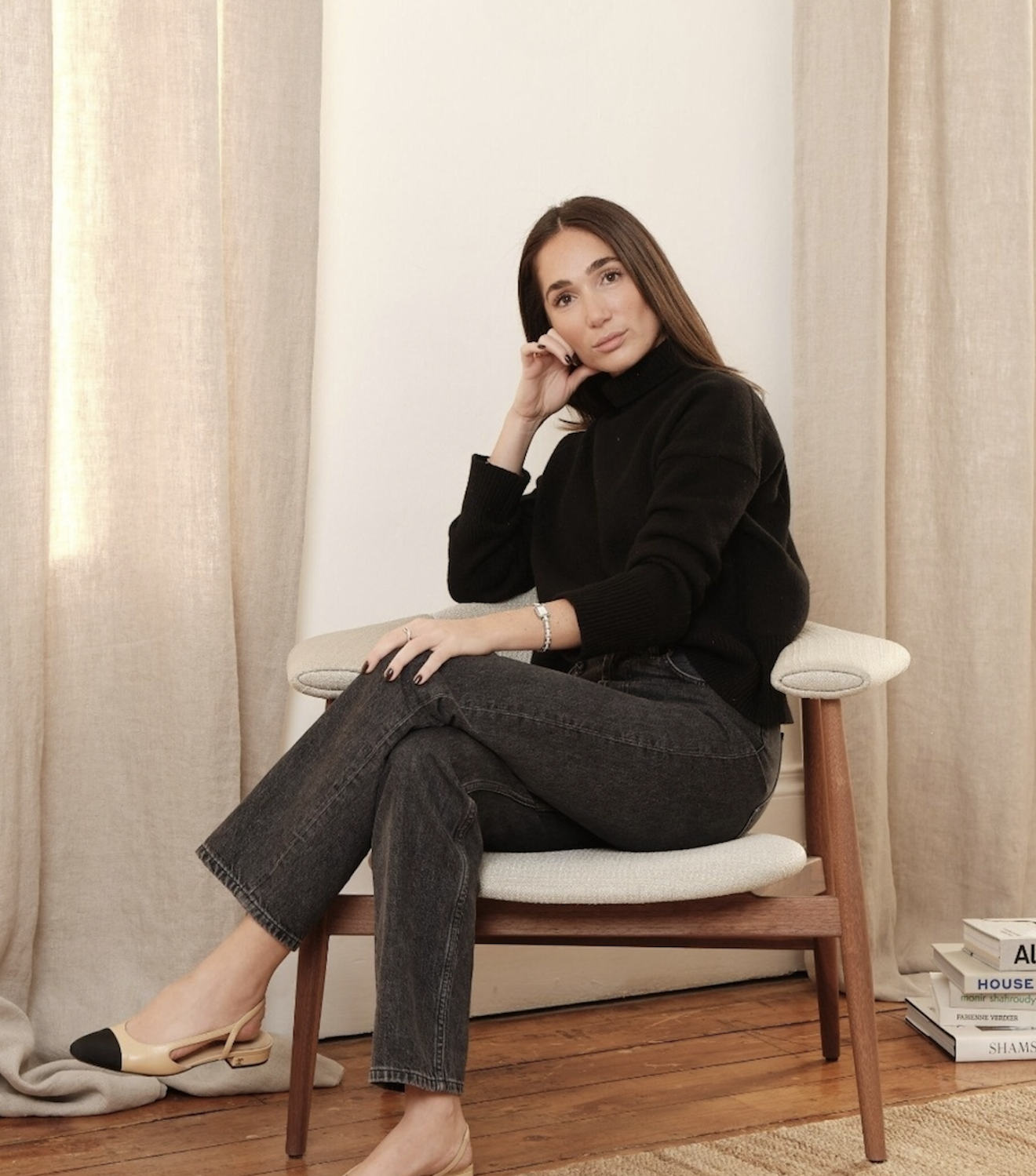
Meet Mélie Dunod, co-founder and CEO of August the lifestyle platform, creating bespoke, private collections of beautiful homes across Europe’s finest regions . Raised in the South of France by a father who worked in property and a mother who restored old buildings, Mélie trained in law and business and spent years delivering real estate projects for private clients across Europe, watching the same story repeat: a dream house abroad, bought with love, then left empty for ten months of the year. In 2018, with co-founder Nico Watzenig, she built a different model. Owners hold a share in a private collection of four to five restored homes, from a bastide in Mougins to a chalet in the Alps, with August handling everything from purchase to the recommendation for dinner. Eight years on, that is 100 homes, 600 owners and over €200 million invested, with a Prime Collection that sold out within a year. Join us as we explore why luxury is turning from ownership to access, what it takes to keep a village alive when second homes move in, and the children’s foundation in Burundi she started before August existed.
WEBSITE | INSTAGRAM
“I'm originally from France, with a background in property, law and business. After years of delivering real estate projects for private clients across Europe, I became very familiar with the challenges of owning a home abroad, from finding the right property to renovating, designing and managing it. I wanted to find a better, simpler way to enjoy the places we love, which led me to create August. Alongside my work, I'm passionate about philanthropy and community development. I founded Foyer Imuhira in Burundi, a charity providing homes, education and long-term support for children who have been living on the streets.”
You founded August in 2018. What did the holiday home market look like then, and what was wrong with it that nobody else seemed to be fixing?
I think one of the challenges with the holiday home market at the time was that the traditional model was very much centred around owning a single property. While that can be wonderful, it also comes with the realities of maintaining a home that may sit empty for much of the year, as well as the limited flexibility that comes with being tied to one location.
There is also a wider impact on the local communities themselves. In many beautiful destinations, local businesses and communities thrive during the peak months, but activity can drop significantly during the rest of the year. We wanted to create a model that could contribute to these communities more consistently, rather than homes sitting empty for long periods.
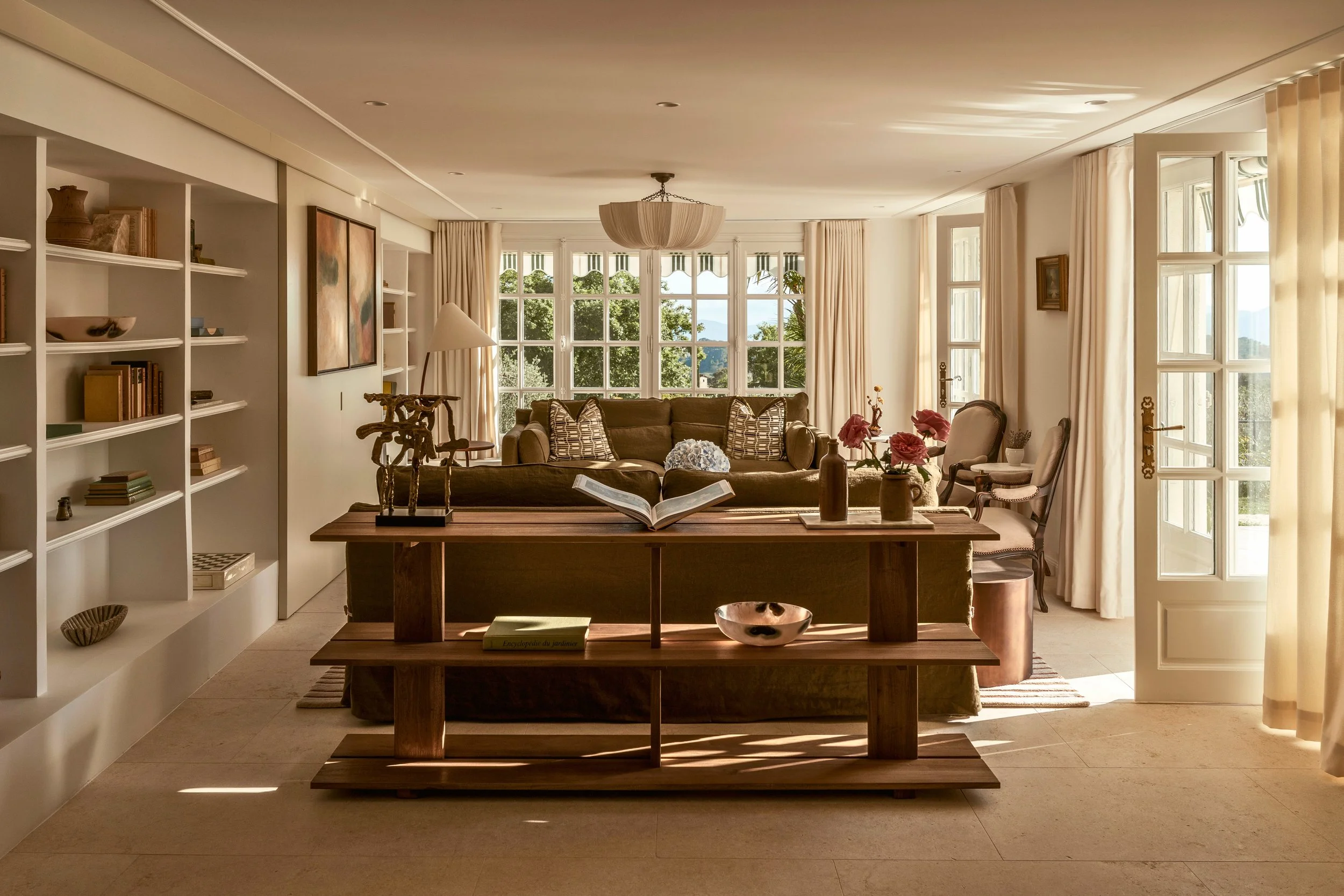
With August, owners don't simply own a single holiday home, they own a share in a carefully curated private collection of four to five exceptional homes. This gives them the freedom to spend an average of 10 weeks a year across different "second" homes, each in an iconic destination, fully renovated and thoughtfully designed with meticulous attention to detail. Because our homes are occupied, on average, 80-90% of the year, we also create a more consistent presence in the communities where we operate, supporting local businesses and economies throughout the year.
And it's not just about the homes themselves. We take care of the entire ownership experience, from the purchase process and legal and financial considerations through to maintenance and property management, so our owners can simply arrive and enjoy their time away.
We also want each stay to feel personal and connected to its surroundings, so we curate local recommendations and experiences, from sourcing regional products to discovering the best restaurants and hidden gems. Ultimately, it's about making holiday homeownership feel effortless and flexible, while creating a lifestyle model that feels more connected to the places we call home.
You grew up between your mother's renovations and your father's building business in the South of France. How much of August's mission comes from that childhood?
Yes definitely, I grew up with property and old houses. My father worked in the sector and my mother had a passion for old buildings, which she tastefully restored. I became fascinated, very early on, with places that told a story and offered potential. Later, I wanted to set up my own company, but I didn't want to work in property in the traditional sense. I dreamed of hospitality, interior design, building a brand and a whole world. My business partner, Nico Watzenig, and I had the same wish: to create a real lifestyle brand for homes.
Your mantra is "Don't give people what they want, give them what you love." How does it play out when a buyer's taste and yours diverge?
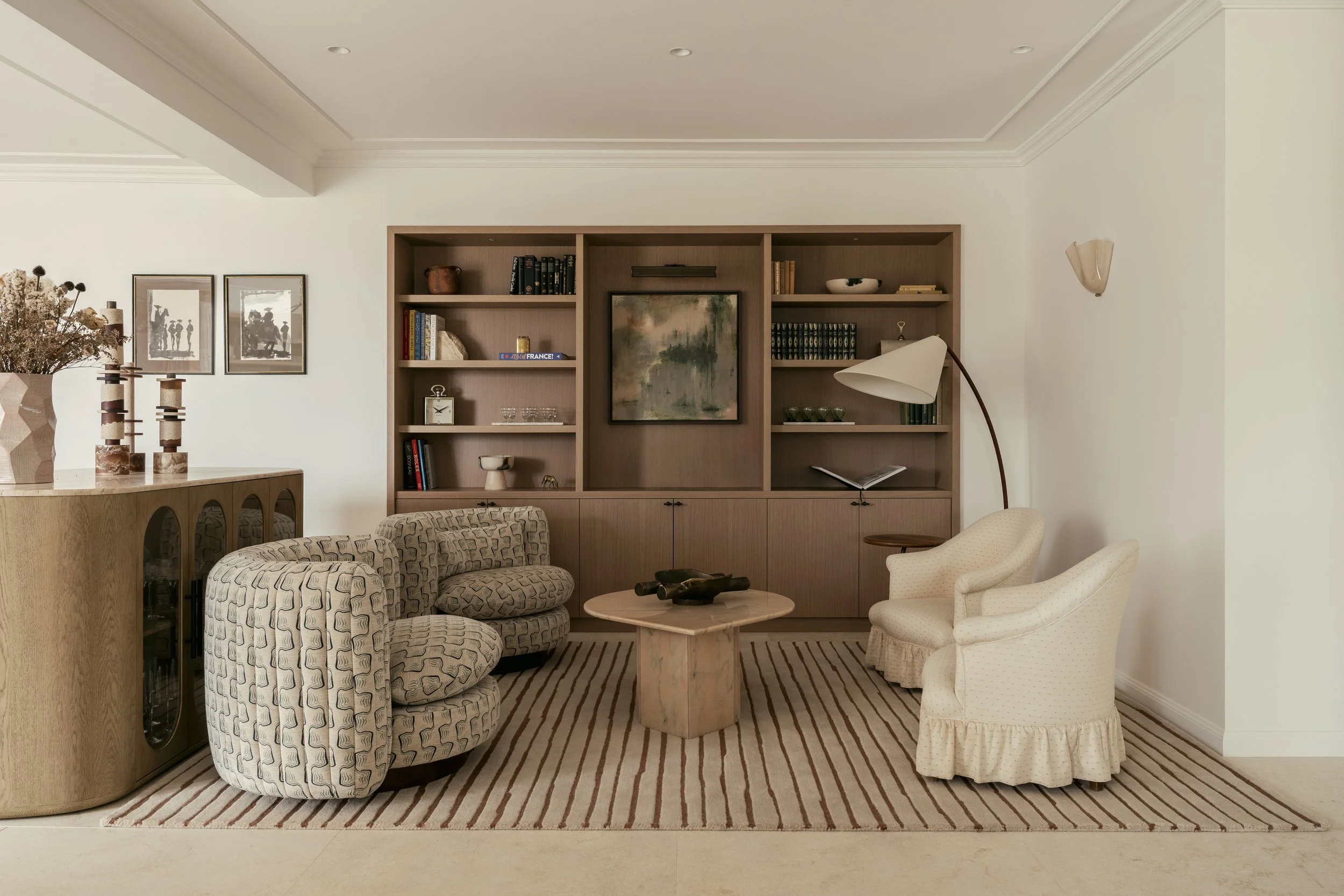
“Don’t give people what they want, give them what you love” doesn’t mean we ignore our owners’ tastes or preferences. It means having the confidence to make considered creative decisions rather than designing by committee or trying to appeal to everyone. Owners join August for our expertise, so I believe it’s important that we have a strong point of view. The strongest brands don’t design for everyone, Chanel and Belmond, for example, are admired because they have a distinct creative voice and are unapologetically themselves. No one remembers a brand that feels bland or tries to please everyone.
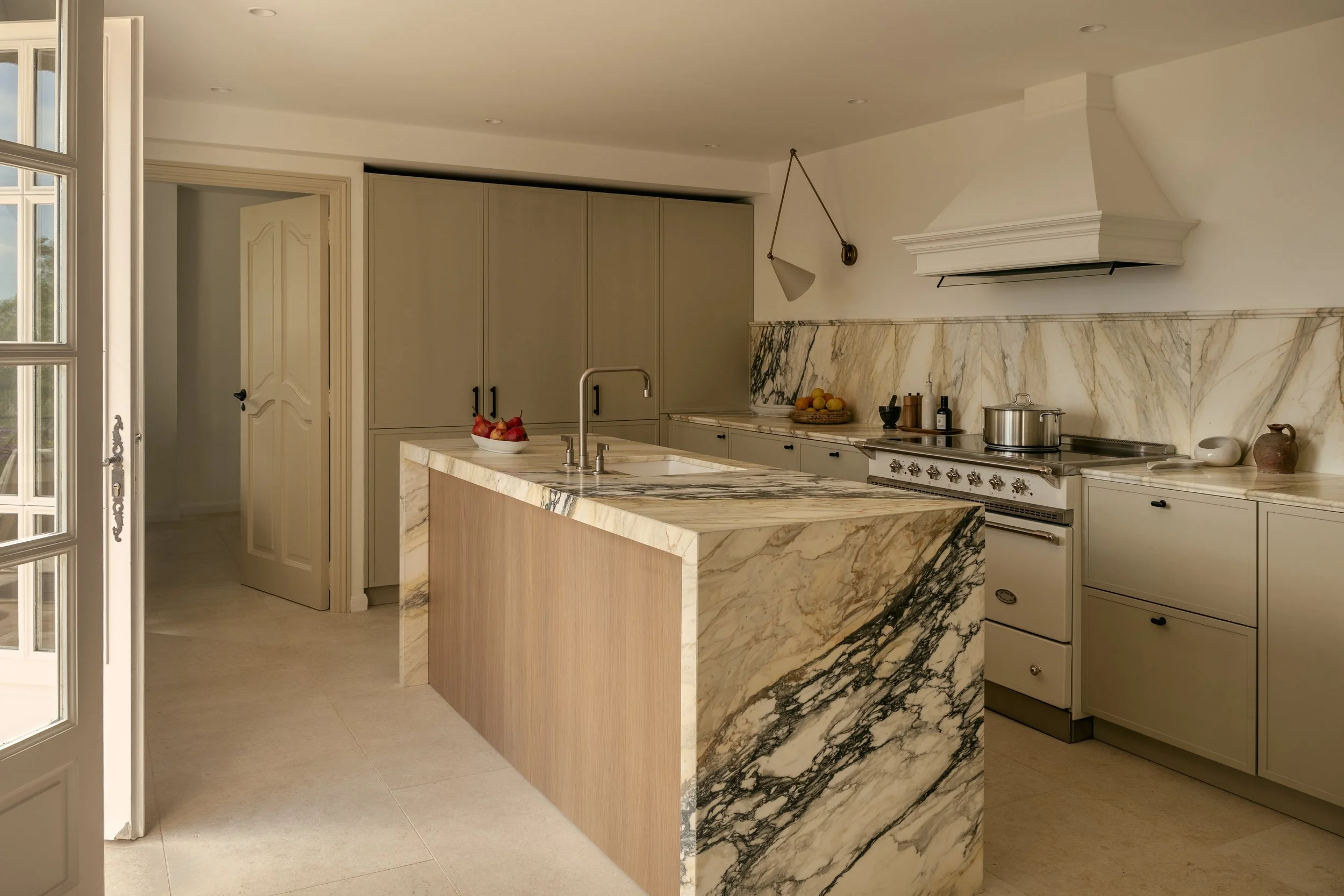
Design and architecture are personal passions of mine, and even as CEO, I personally review and approve the design of every home. Our owners trust us to bring a level of expertise, curation and creativity to each property. That’s why we deliberately avoid new builds and “white boxes”, instead looking for older homes with character, history and a real sense of place, which we carefully restore while introducing modern comforts. Of course, taste is subjective, and we absolutely listen to what our owners value. But our role is not to design by consensus, it’s to bring our expertise and perspective to create homes that feel authentic, considered and distinctly August. That creative integrity is an important part of the lifestyle our owners are joining.
Can you talk us through how August actually works? An owner holds a share in a collection of homes rather than a single house. Why did you build it that way?
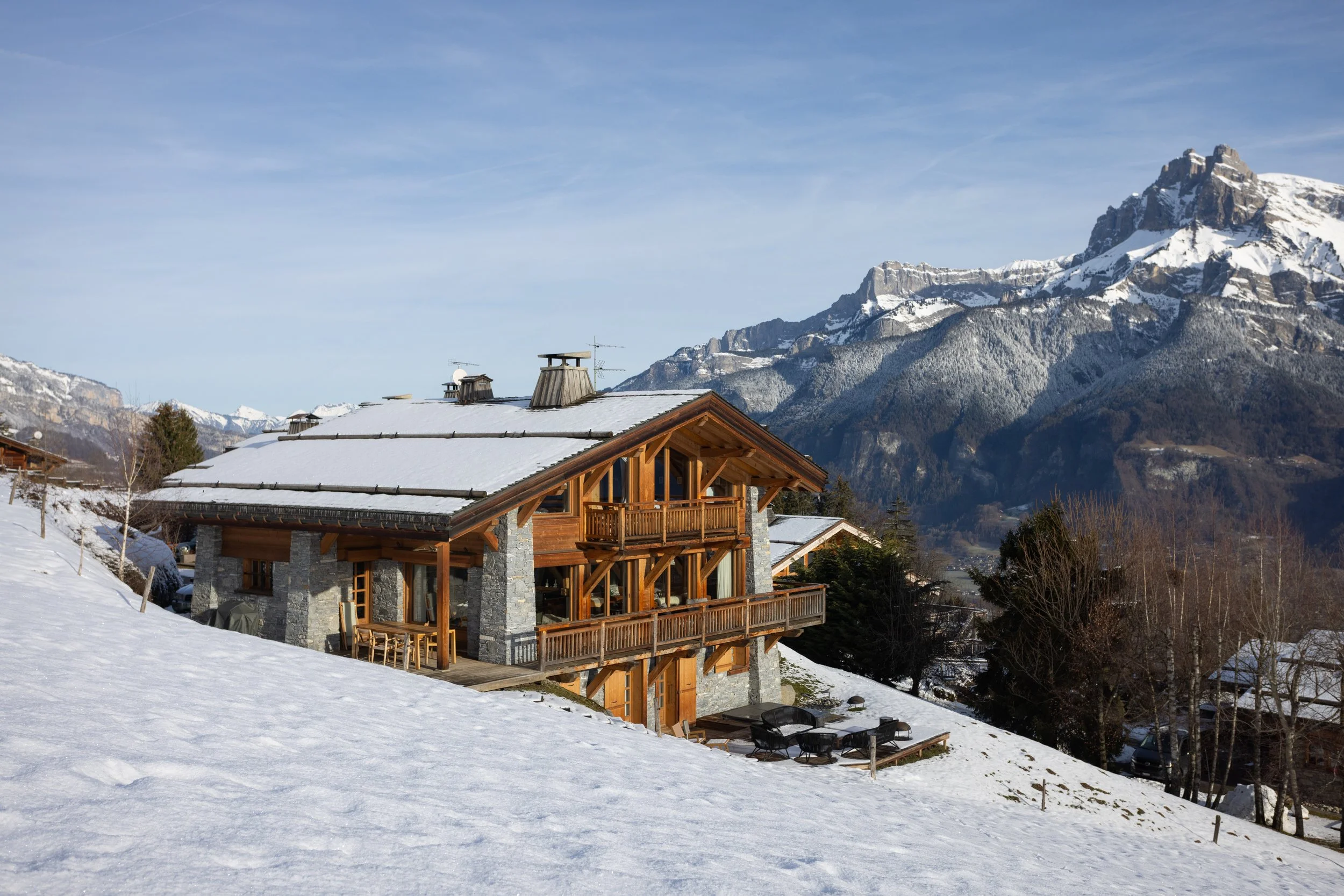
The idea behind August is quite simple: rather than owning one holiday home, our owners own a share in a carefully curated private collection of four to five exceptional homes. August itself doesn't own the homes. We identify and acquire the properties, bring them together into private collections, and manage the entire experience, while the buyer owns a share in their chosen collection. On average, there are 21 owners in each collection. Rather than choosing an individual property, owners choose the Collection that best reflects their lifestyle and the way they want to spend their time away. Our Collections — Grand Pied-à-Terre, Signature, Premium and Prime — are each thoughtfully designed around a distinct way of experiencing Europe. Whether you're looking for city living, beach and sunshine, the mountains, or a more expansive countryside escape, the collections allow people to choose a lifestyle rather than simply a single house.
The benefit is that you're not tied to one destination or one property. Depending on how and when they book, our owners have the opportunity to spend around 8-12 weeks a year across the homes in their Collection. Each home is fully renovated, thoughtfully designed and professionally managed, so owners can move between homes while enjoying the same high standard of experience. There is also a practical benefit to the model. Traditional holiday homeownership can mean taking on the responsibility of maintaining a property that you may only use for a few weeks a year. With August, those responsibilities are completely managed for you. We oversee everything from the acquisition and renovation of the homes through to maintenance, property management and the day-to-day details of ownership. Our team also supports owners through the financial and legal aspects of the purchase, making the process as seamless as possible.
There is a period of anticipation before owners can begin booking their stays, as we need time to acquire, renovate and prepare the homes. Generally, from signing for ownership, it takes around 12 months to reach the point where owners can begin scheduling stays. Access is phased according to the group an owner is in: Group One can begin booking as soon as the first home in the Collection is live, Group Two gains access once the second home is ready, and so on as each home is delivered. But ultimately, the reason we built August this way was to make holiday homeownership more flexible and more enjoyable. You get the benefits of owning beautiful homes in multiple destinations, without the commitment and responsibility of owning and managing a single property. And because every home is carefully curated, the experience is consistent while each home still has its own character and sense of place.
How should someone think about an August share as an asset compared with a wholly owned second home, and what should they understand about exit before they commit?
There are many differences. First it is important to note that we do not position August as a financial investment, but as a lifestyle investment. Families joining August should think of it as a long term project, that they are doing as a lifestyle decision, not as a short term investment/ gain opportunity. Of course, our owners care about the value of their share and the exit - as for any asset.
To date, an August share has proved to be very liquid. We have a secondary market that allows owners to exit their Collection. So far, we have had over 80 of them, and most sell in a few weeks and at a gain (some going as high as 45%). This is because August has a very strong demand and some families prefer to buy into an established Collection rather than in a new Collection. Therefore, as with any investment the exit value is not a guarantee, but until today the value of these shares have proved to be stable, and increase yearly, generating healthy gains for our families. Comparing this to buying your own second home, of course a second home you can decide to rent it and generate a yearly ROI. With an August share this is not possible. However, a second home will also require a lot more of your time, for maintenance, management, and costs with unforeseen repairs, small renovations etc.
With an August share, the best return on investment is first, the many holidays you can have with your loved ones, which will be much cheaper than the annual running cost of just one of these homes, or renting similar properties; and secondly, time. August takes care of it all, finding your homes, renovating them, and managing them. We handle the cleaning, the repairs, the taxes, everything. To me, that's the biggest advantage - our time is precious and very valuable and August allows you to spend it on holidays with your loved ones, rather than dealing with lawyers, accountants, gardeners, cleaning staff etc. Your investment is also more diversified. You spread it across 4 to 5 assets in different markets and currencies. It is also (at least looking at current performance) more liquid. We sell an August share, in some cases within days, and at maximum a few months. Finally, you know how much you are going to spend. The initial equity investment is fixed, the annual dues are determined in advance. If you buy your own home you may start with one budget, end up buying for a little extra, then spend a lot more on renovations and coordinators, and annual maintenance may be low one year and very high another if you need to redo the roof.
The first Prime Collection sold out within a year at €1.4m per share. Does a buyer at that level want something different from someone joining a Signature collection?
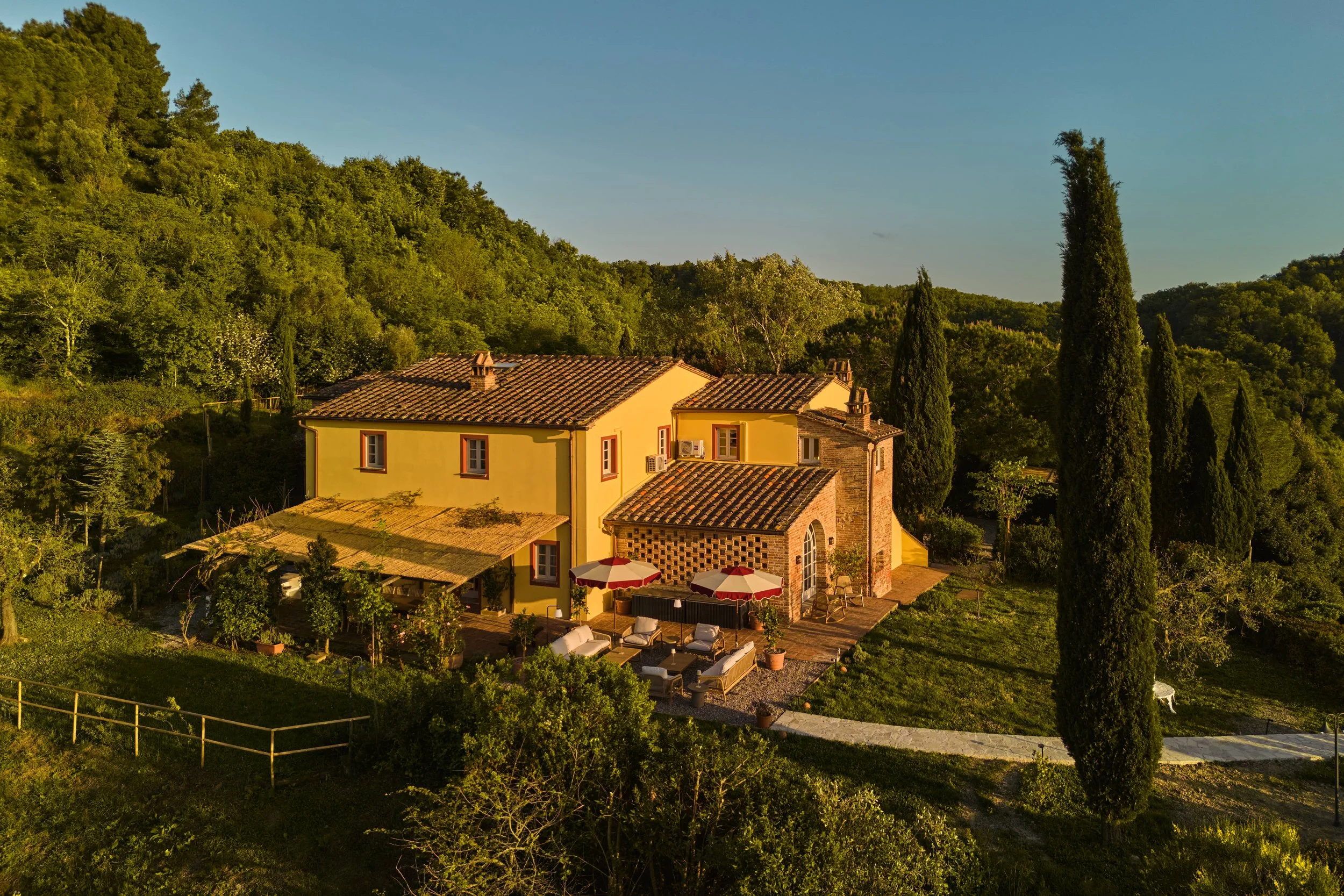
We are now onto our second Prime Collection, comprising four exceptional homes across the South of France, Mallorca, the French Alps and Tuscany. Each residence is valued at approximately €5-6 million, so collectively the Collection represents around 20 million of real estate. At €1.8 million per share, owners have access to the entire Collection rather than being tied to a single property.
What we learned is that at the very top end of the market, people aren't necessarily looking for more square footage or another trophy property. Many of our Prime owners could comfortably purchase one of these homes outright. What they value is the experience: having access to several extraordinary homes in different destinations, each offering something completely different throughout the year, without having to manage, maintain or furnish each home themselves.
I do think the expectations are different at Prime compared with our Signature Collection. At every level, our owners expect beautiful, thoughtfully designed homes and a seamless experience, but Prime allows us to push that philosophy even further. The homes are exceptional, the locations are highly sought-after, and every element, from the architecture and interiors to the service and details of the ownership experience, has to meet a very high standard.
Ultimately, Prime reinforced something important for us: at this level, luxury is increasingly about access, curation and time. It's about having an extraordinary collection of homes at your fingertips, without the burden of owning and managing them individually. That combination of quality, variety and effortless ownership is what we believe makes the model particularly compelling for this market.
Since launch August has attracted over 200m of investment, 600 owners across 100 homes, and six new collections this year. What has been the hardest part of scaling a model built on curation?
We have more demand than supply, and while that is a wonderful position to be in, our ambition has never been to grow as quickly as possible. The challenge is to grow thoughtfully without compromising the level of curation, personal attention and quality that people come to August for in the first place.
Curation is at the heart of the business, and it is inherently difficult to scale. Every home has to meet a very high bar, not just in terms of its location or architecture, but in its character, potential and how it can contribute to the wider Collection. We are not looking to acquire hundreds of properties that fit a formula. We are looking for the right homes, in the right places, and then investing the time and expertise to bring them to life.
That is why we deliberately limit the number of new Collections we launch each year. It allows us to remain incredibly hands-on throughout the acquisition, renovation, design and launch process, and to make sure that every home feels distinctive rather than becoming part of a standardised product.
At the same time, scaling has taught us to listen. The Collections themselves have evolved in response to what our owners are asking for. Grand Pied À Terre, for example, came from a desire for larger, more luxurious city apartments, with more space for families and entertaining. Prime was created in response to demand at the very top end of the market, bringing together exceptionally rare homes with a higher level of space, design, amenities and service.
So I think the balance is between being disciplined about what we will never compromise on, while remaining open to how August can evolve. We can grow the number of homes and Collections, but the underlying philosophy has to remain the same: every home must feel special, every Collection must have a clear point of view, and the experience of being an August owner must feel considered and personal.
A third of your clients are American. Why is this model particularly appealing to US buyers?
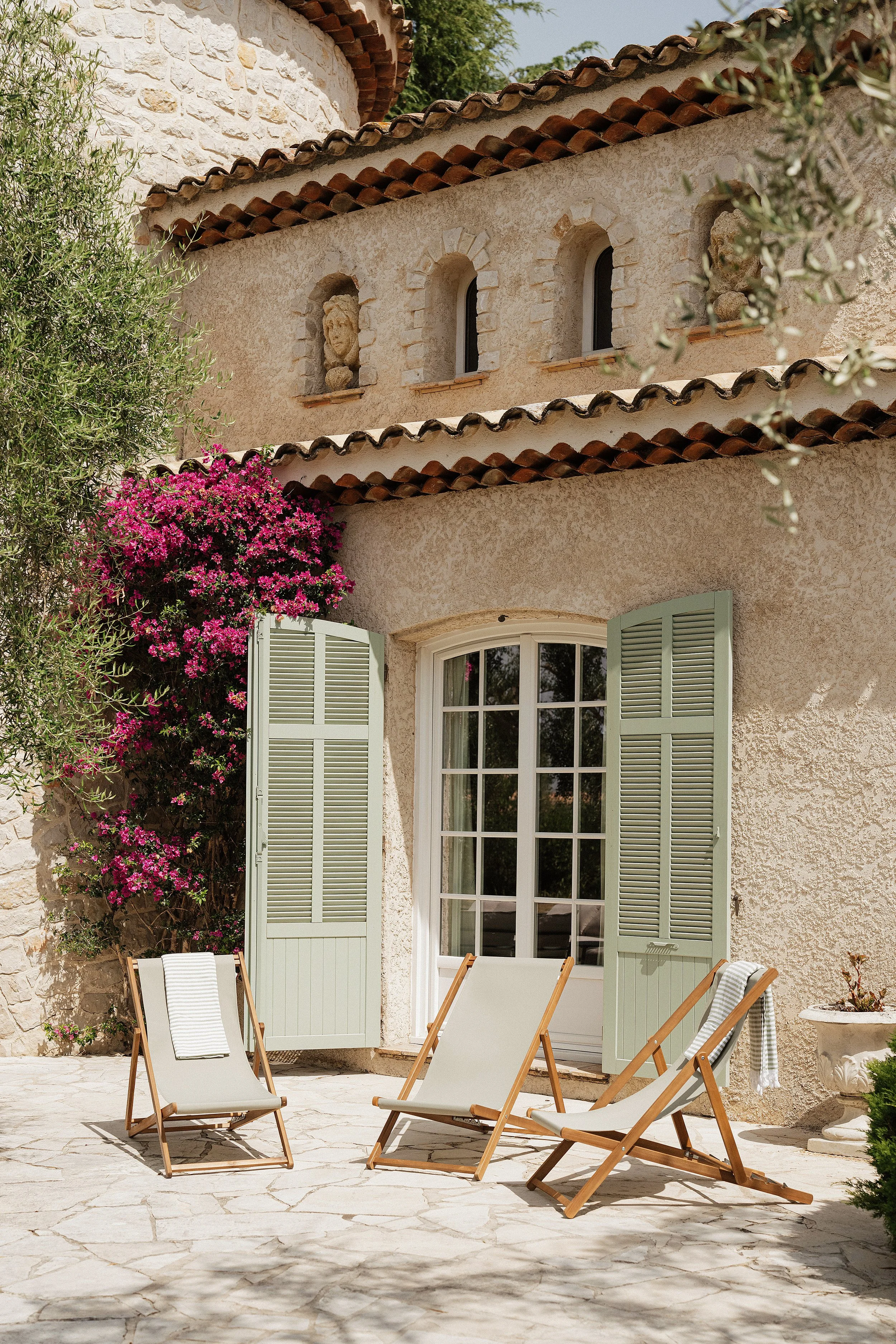
For many of our American owners, the idea of having beautifully designed homes in key European cities that they can return to throughout the year, while using them as a base to explore the rest of Europe, is incredibly appealing. You can spend a few days in Rome, take a short flight to Paris, drive into the countryside or head to the coast, each destination offers a completely different culture, landscape, food and way of life.
One of our American owners described it particularly well: "For us, traveling in the U.S. just doesn't compare to the richness and variety of Europe. The cultural differences between Rome, London, and Paris are endlessly fascinating, and you simply don't get that kind of contrast within the U.S."
I think August also resonates because it removes some of the friction of owning a home so far from where you live. Our American owners can have genuine homes in Europe, rather than simply a place they stay when travelling, but without having to manage the properties from thousands of miles away. Everything is looked after for them, so when they arrive, their homes are ready and they can simply settle in and enjoy it.
Of course, there are many similarities between what our American, British and French owners value - beautiful homes, exceptional design, a sense of place and the freedom to spend meaningful time with family and friends. But for our American owners in particular, I think there is something especially compelling about having European homes that gives them a sense of belonging in Europe, while also opening the door to everything the continent has to offer.
You set up Foyer Imuhira before August existed. Can you tell us more about your philanthropic mission?
I always dreamt of creating my own charity that would help children that did not get the same opportunity as I did. I am extremely fortunate in the sense that I was born in a lovely and supporting family, I was able to study where I wanted, able to become an entrepreneur and build the life I wanted. Many say if you really want it and work hard for it then everything is possible. That’s partly true, but also extremely false. If you are born in the street and abandoned at 2 years old in some of the poorest countries in the world, there is almost zero chance you can build a better life for yourself.
That’s why I built Foyer Imuhira, to give to these kids that were born in the streets of Bujumbura, a real chance at life. We have two homes, one for girls and one for boys. We give them security, love, a place to call home, and an education they can be proud of. I hope one day, they can themselves help other kids because they will be in a position where they can do so. My dream is to build an incubator for women to help them build their own micro businesses so they can become independent. I just need a little more time on my hands :)
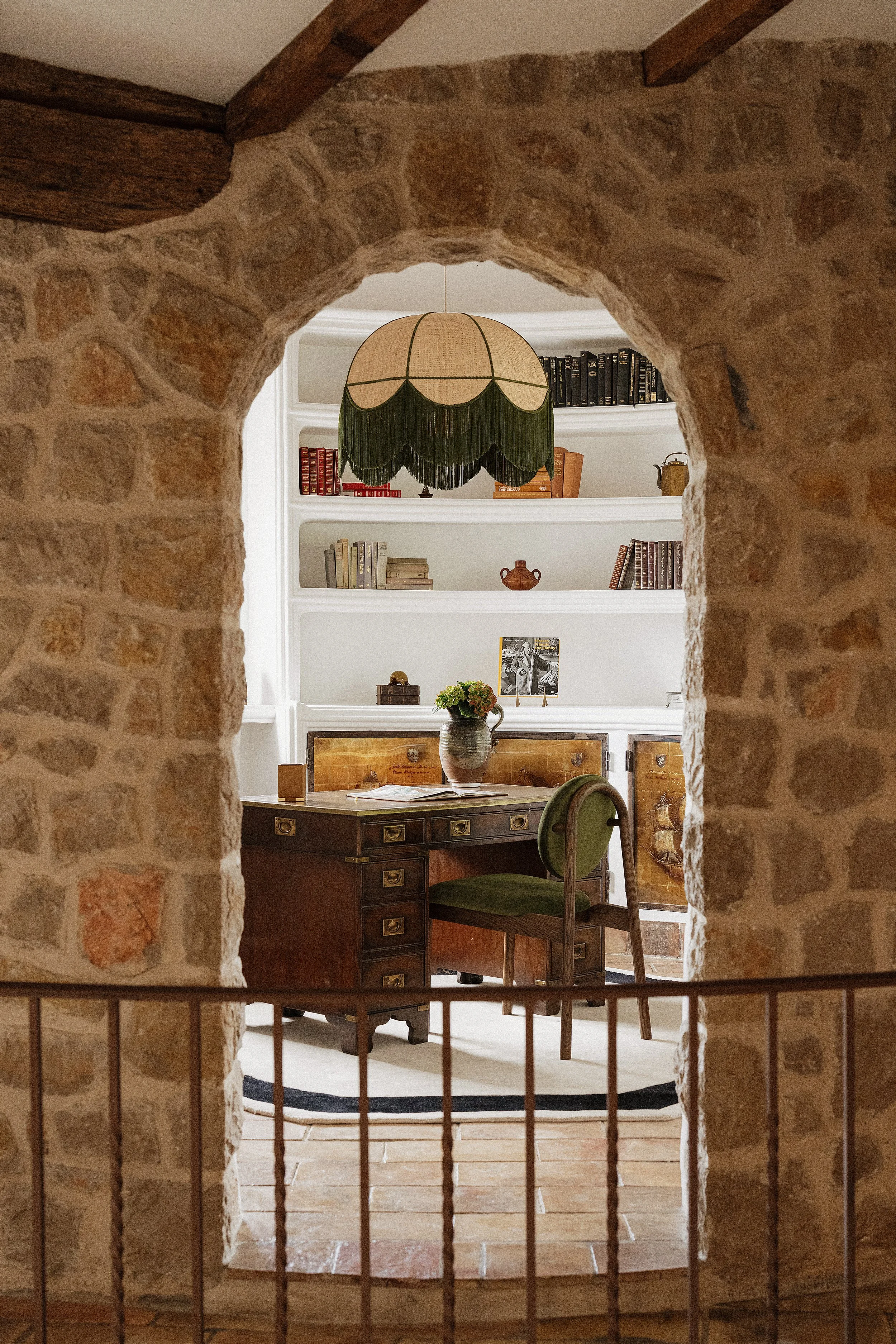
Second homes are often blamed for hollowing out villages in Provence and Tuscany. How does August avoid becoming part of that problem?
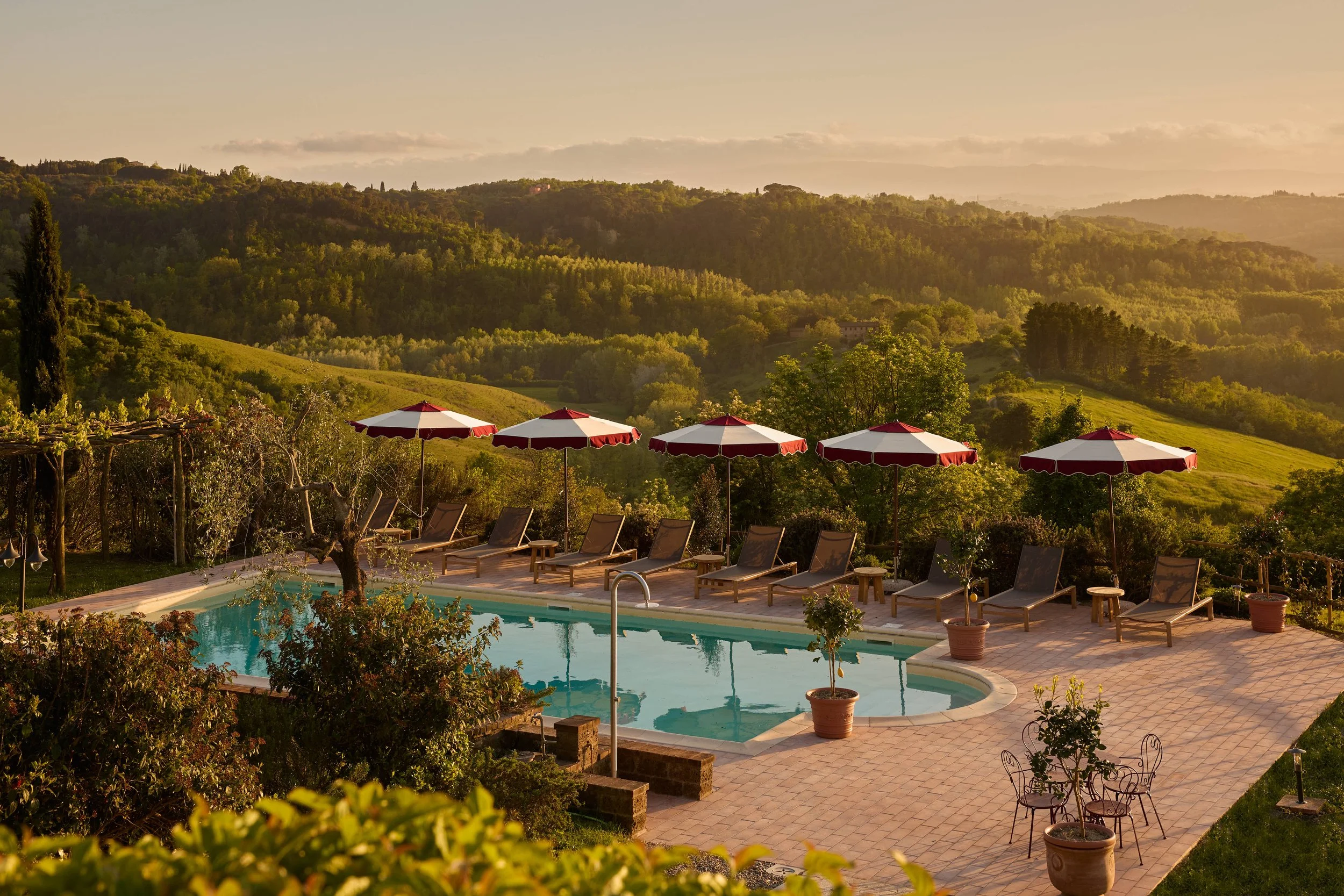
I think this is one of the most important elements for us, because we don't ever want to build August at the expense of the places we love. Our ambition is very much the opposite: to contribute to local communities and economies rather than hollowing them out. The traditional second-home model can mean properties sitting empty for much of the year, so we wanted to approach that differently. Our August homes are occupied, on average, around 80-90% of the year, which means there is a much more consistent presence in the communities where we operate. Owners are spending time locally, eating in restaurants, shopping, using local services and experiencing the destination throughout the year, rather than only during the traditional peak season.
We also have a responsibility in how we restore and furnish our homes. We always work with local craftsmen, artists and suppliers, preserving original architectural features and using local expertise to bring these properties back to life. That means investment stays within the community and helps sustain the skills, businesses and craftsmanship that give these places their identity in the first place. And our commitment doesn't stop once a home is finished. We actively encourage our owners to discover and support the local businesses around them, from independent restaurants and producers to artisans and experiences. We want our homes to feel connected to their surroundings, not isolated from them.
For me, sustainable tourism isn't simply about how a property is built or how efficiently it operates. It is also about asking whether we are contributing to the long-term health and character of the place we are entering. We want August to be welcomed by the communities, to bring investment, support local businesses and craftsmen, and keep homes lived in throughout the year, rather than creating beautiful but empty houses. That is ultimately the responsibility that comes with building homes in places that people already love. We have to make sure that our presence helps preserve what makes those places special, rather than contributing to their disappearance.
WEALTH
If we think about wealth beyond money, where does health sit in that equation?
Health is the core of it all. You can still be happy and live a full life with no to little means, but you have nothing left if you or your loved ones have poor health. I learnt this the hard way and it put everything in perspective for me. Since then I live my life a little differently, I am more aware of the impact of stress on oneself, and that sometimes we cannot do it all. And that’s ok. We need to take care of ourselves, and the ones we love. Without that, everything is worthless.
How do you define wealth?
To me, it’s being able to have the freedom to do whatever you want. Being able to build your own universe, live the life you want, spend your time on what you truly value. Pure freedom. That’s real wealth to me. I work so hard because I value my freedom a lot. And I hope it will only increase over time, and that for example, I’ll be able to invest whatever I decide is enough for the incubator I want to build in Burundi and spend as much time as I want on it. Because I can, and because it matters to me.
What money lessons did you learn when growing up? What would you have done differently?
Haha my dad taught me very young that ‘if I want to eat, I need to learn how to kill’. He was pretty right to be fair. I am grateful that he gave me the taste of hard work quite young and the value of earning your own money. He is an entrepreneur himself, and my parents built it all on their own, so I was fortunate to see their journey from a young age and it gave me the drive to do it myself.
He also constantly told me that there was no such thing as ‘ taking risks’, I was young and that I had to go for it. He kept on telling me, “you own nothing, so what can you lose? You have no kids, no responsibility, no mortgage, no savings, so go for it”. I think a lot of parents push their kids to go for stability and predictability - I am grateful that my dad didn't.
What's a piece of financial advice, from a mentor, an investor, or each other, that changed how you run the business?
It comes from my co-founder Nico. He always wanted us to raise almost no money so that we had to work super hard and care about every detail from the start to build a strong base. I think he was 100% right. If you start with a lot of money, you can test a lot of things fast, you care less about the details and it's harder to cut through the noise. We focused from day one on profitability, quality and on what mattered the most.
What is your number one financial priority?
I do not think I necessarily have a specific one. I want to build enough wealth early to be able to be less operational, quite young, and have the freedom to do what I want.
WELLNESS
What's a wellness trend you'd push back on?
Wanting to do it all and track everything! I find that people put a lot of pressure on themselves constantly on having to exercise a minimum x amount a week, eat x amount of protein, taking these supplements, sleeping x amount of hours, measuring everything from steps, to temperature, to fertility, to hours of sleep, etc… This is so overwhelming and I don’t think that this is healthy. I think that sometimes you have more time to focus on having the right routine and other times life takes over and you can’t eat perfectly or exercise enough and that’s absolutely fine. Having all these devices reminding you all the time that you’re not doing enough is too much. I don’t have any of those.
What practices, physical or philosophical, keep you anchored when life gets chaotic?
Reformer pilates - that’s really something that helps me feel grounded and is a “me time” that I value a lot.
Is there a particular place or person you turn to for inspiration?
My favourite place - Cadaques - a small fishing village on the Costa Brava where I've been going for over 20 years.
Do you have a morning routine to set you up for a productive day?
A coffee in bed! My favourite part of the day. Bonus, if my partner makes it for me and brings it as I wake up!
The sound, scent, or space that instantly grounds you.
The sound of the waves / sea.
And finally; what does ‘enough’ mean to you?
This is fluid, and will depend on the day and my energy. Whichever boundary or goal I've decided to set for myself at that particular moment.