Introducing Sophie Hascher | Neuroscientist and Investments
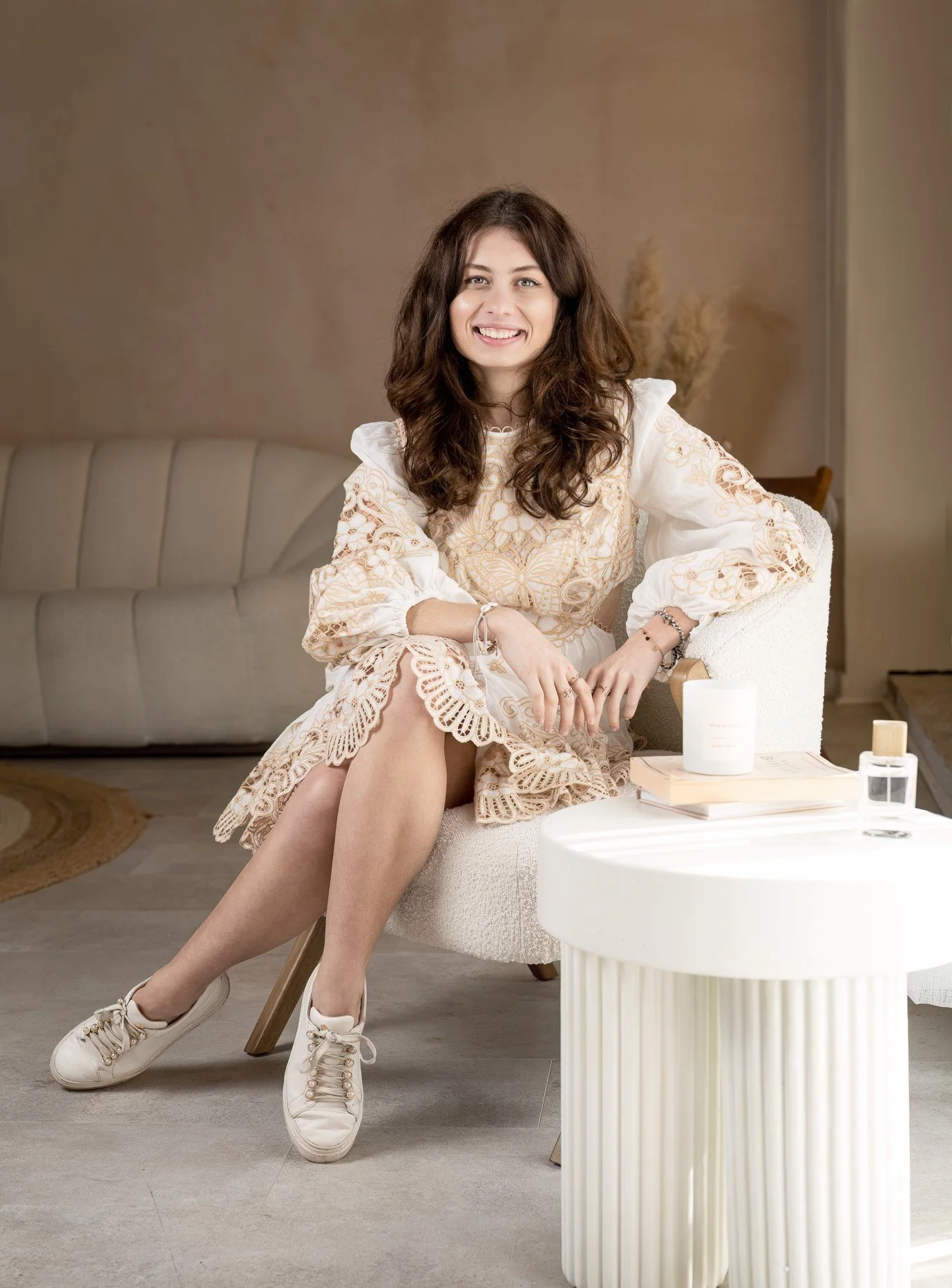
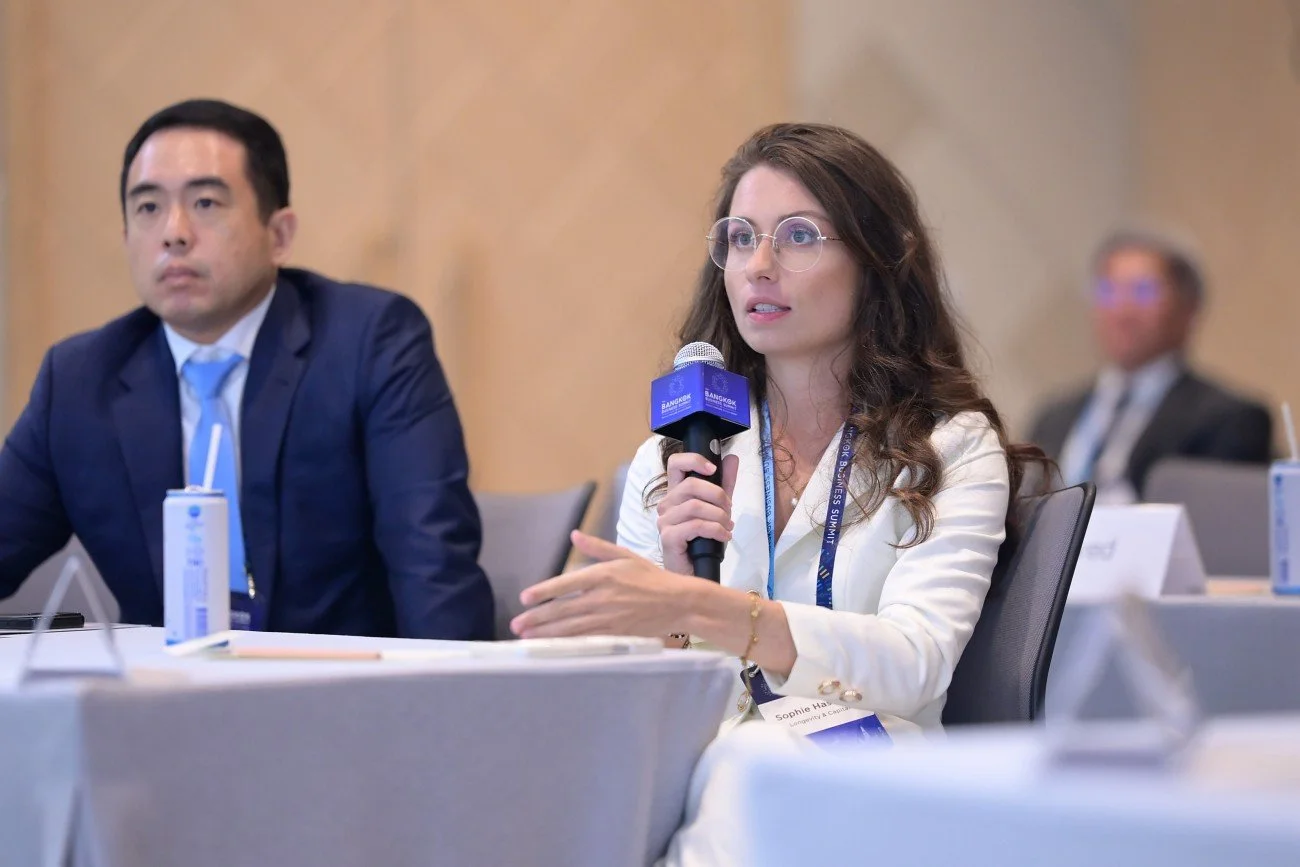
Meet Sophie Hascher, a neuroscientist working in longevity investment, where she looks at the companies and technologies shaping the future of health, with a particular focus on brain health and women’s health. Sophie was one of the first neuroscientists to bring brain health into luxury hospitality, working with brands such as Four Seasons and Kamalaya, and was named a 2026 Destination Deluxe finalist for Top Wellbeing Practitioner. Her talks have taken her from Riyadh and Bangkok to Australia and the UK, covering cognitive leadership, women’s brain health and neuroscience investment. Join us as she shares why she believes the brain is our most valuable asset and what it takes to build a new category in wellness.
WEBSITE | INSTAGRAM | LINKEDIN
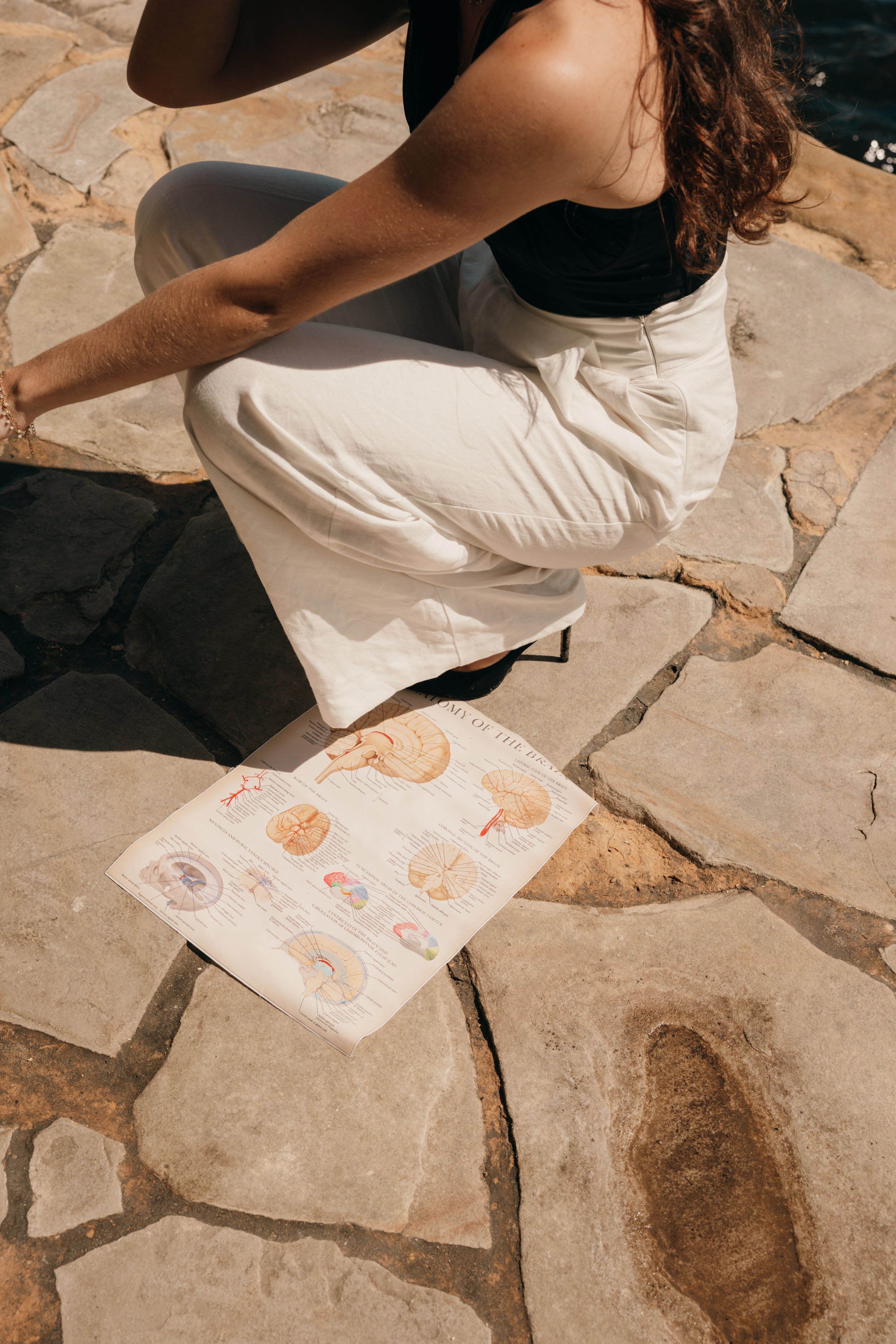
“I’m a neuroscientist working in longevity investment, where I look at the companies and technologies shaping the future of health, with a particular focus on brain health and women’s health. I was one of the first neuroscientists to bring brain health into luxury hospitality, working with brands such as Four Seasons and Kamalaya, and was named a 2026 Destination Deluxe finalist for Top Wellbeing Practitioner. I’ve spoken on international stages from Riyadh and Bangkok to Australia and the UK, on topics spanning cognitive leadership, women’s brain health, medtech and neuroscience investment, and luxury tourism through a neuroscience lens.”
Tell us about the journey to how you got to where you are now…
People are often surprised by my path. I’ve worked across many countries and cultures at a young age, bringing brain health into luxury wellness along the way. I remember speaking at a family office event, after which several of the next generation came up to me, amazed that someone their age was on stage. Inspiring people of my generation and younger is truly humbling. Now, working on the investment side, I can bring my scientific and commercial experience together to create an even bigger impact. Most of what I do comes back to one question: how does understanding the brain change the way we live, decide and build wealth? I love sitting at the intersection of science, capital and innovation, and bringing people into that conversation!
You often describe the brain as the CEO of the body. What do you wish more women understood about their own brain?
That the brain is behind every choice we make, from what we eat to how we invest, and even how happy and fulfilled we feel. As women, our brain is constantly shaped by our hormones, and our sleep and stress also shape how we feel and how our brain works.
Women tend to put themselves at the bottom of the list, after partners, children and work. But the brain dictates how we show up in every one of those roles, so looking after it isn’t selfish. Once you understand how your brain works, what it predicts and how to work with it rather than against it, it changes the trajectory of your life. Too often it takes a crisis for a woman to realise that everything around her rests on her, and on how well her brain is working. I’d love that realisation to come much earlier.
Women's brain health has been overlooked for a long time, in research and in funding. Where do you see the biggest gaps, and what is finally starting to change?
For decades, women were treated in medicine as smaller versions of men. Clinical trials were done mostly on men, and women were often given the same doses. Because our hormones fluctuate across the month and across life, women were seen as ‘too complicated’ to study, and were simply left out. Yet women spend about 25% more of their lives in poor health than men, and nearly two-thirds of people living with Alzheimer’s are women.
What’s changing is that investors are paying attention to what is happening in the women’s health space. Founders are building tools to diagnose women’s conditions faster and to treat issues specific to women, such as endometriosis and PMDD. For investors, it’s a rare combination: real impact, by closing the research gap between men and women, and a genuinely innovative market that is still overlooked.

Hormones, brain health and mental wellbeing are often treated as separate conversations. Why are they really part of the same story for women?
The brain is full of hormone receptors. Oestrogen, for example, reaches the brain and shapes memory, mood and sleep. So when hormones shift, in perimenopause for instance, the brain often feels it first. Brain fog, anxiety and poor sleep get treated as three separate problems, when they are really one story.
Part of the challenge is that it’s rare to find a specialist who understands both the brain and hormones in depth. Everyone focuses on their own area, and the bigger picture can get missed. PMDD is a good example: the brain reacts unusually to normal hormonal changes, which can bring anxiety and low mood in the days before a period. Seeing it as one story opens the door to better care, from medical treatment to holistic practices that ease the symptoms.
Longevity is everywhere right now. How can women tell the real science from the marketing?
Longevity is everywhere right now, which is exciting, but it means learning to separate scientific rigour from biohacking hype. As a neuroscientist, I always go back to the evidence and ask what a claim actually means. Is it based only on animal or lab studies? Was the study tiny, or missing a control group? Is the product ‘science backed’, borrowing from general research, or has it actually been tested itself?
If someone is trying to sell you a magic pill, I’d encourage you to be sceptical. The foundations of a long, healthy life are still sleep, movement, nutrition and connection. Anyone hoping to bypass them with a shortcut will soon realise it’s wishful thinking.
You started in luxury marketing before training in neuroscience and psychology. What pulled you from consumer behaviour to the brain itself?
I feel very lucky to have found a way to combine my passions - luxury, neuroscience and health, and consumer innovation. During my undergraduate degree in luxury marketing I didn’t feel challenged, and I found myself drawn to science, especially as I was experiencing panic attacks at the time. I wanted to understand the brain and the mind, so I taught myself neuroscience through books, seminars and podcasts while finishing my degree, then went on to an MSc in neuroscience to build proper research skills, followed by another MSc (psychology) and PhD. The brain is the most fascinating organ to study: every decision we make, and the way we experience life itself, starts there.
You now spend much of your time looking at the companies and technologies shaping the future of longevity, which includes neuroscience and women’s health. What excites you most about what's coming?
I love seeing the innovations coming to market and what incredible founders are building. A recent conversation with a fellow neuroscientist shifted my thinking: investing in neuroscience isn’t only about backing companies built for the brain. Individual parts of a technology can be applied far beyond it. Take brain-computer interfaces. The tiny sensors that read electrical signals, and the AI that decodes them, can also be used to monitor the heart for instance. So one neuroscience breakthrough can open the door to many other markets, and that widens the opportunity enormously.
Brain health is also finally getting the attention it deserves. The Global Wellness Institute highlighted it as a trend for 2026, and consumers increasingly want to lower their stress and sharpen their focus. What excites me most is seeing more companies, and dedicated events, focused on neuroscience and women’s health.
You're about to submit your PhD. What has that journey taught you about yourself, beyond the science?
Three years is a long time, and so much happened beyond academia. Alongside a PhD split between London and Sydney, I built a brand, spoke around the world and worked with brilliant people and brands. Both journeys taught me the same things: to be self-reliant, to solve problems constantly, to iterate, and to stay curious and adaptable. I also discovered how valuable scientific thinking is in a commercial setting in the health and wellness sector. Knowing how to read evidence has become one of my biggest strengths in doing due diligence work in the wellbeing and longevity sector.
What kind of impact do you want your work to have over the next few years?
I want to change how we see the brain, not just as something to fix when it goes wrong, but as the asset behind how we build wealth, make decisions and find joy. Over the next few years, I want to bring investors, founders and leaders into that conversation, and help more capital find its way to the brain.
WEALTH
If we think about wealth beyond money, where does brain health sit in that equation?
Monetary wealth gives you options, but your brain is what lets you enjoy them. Your clarity, your memory and your presence with the people you love shape how you experience life. You can rebuild a portfolio, change careers or start a new company, but rebuilding a mind is much harder. That’s why I see brain health as the asset underneath every other asset.
You like to ask, 'Why live to 150 if your brain isn't working properly?' What does a wealthy life look like when you put the brain at the centre of it?
Being wealthy on paper but unhappy inside isn’t a wealthy life to me. Health matters enormously, and mental wellbeing sits right at the heart of it. A wealthy life is made of the experiences you have, the people you share them with, and building or pursuing something that lights you up. Money is a by-product of that, and none of it means much if your brain isn’t there to enjoy it.
Every financial decision we make starts in the brain. How do things like sleep, stress and hormones shape the money decisions we make?
When we’re stressed or sleep-deprived, the part of the brain that weighs long-term consequences becomes less active, and we reach for whatever feels safest or most rewarding right now. Research shows that staying awake for around 17 to 19 hours can impair us about as much as a blood alcohol level of 0.05%. We would never sign a major deal after a few drinks, yet we make big decisions exhausted all the time.
Stress is more nuanced. Short bursts can sharpen our focus on a task, but chronic stress pushes the brain towards poorer decisions, and hormonal shifts can impact our mood and how we feel about risk and life in general. So when it comes to making important decisions, a sharp and rested mind is key.
If a woman wanted to put some of her wealth behind the future of women's health, where would you suggest she starts looking?
I would say start with curiosity. Women’s health is a broad category, from diagnostics and medtech to digital health, clinics and retreats, so it’s important to start with what genuinely interests you. Then get to know the science and technology behind the claims, because that’s what allows you to judge quality. The best way to learn is to ask questions and to learn directly from the people building and backing the space: founders, funds who invest in the space and angel networks focused on women’s health.
How do you define wealth?
For me, wealth is a warm, sunny place by the sea. I now live in a city with a beach, and it’s one of the best feelings - a matcha walk in the morning, movement outdoors, fresh food and the people I love around me. Money has its place, of course. But knowing the why behind what I do, and the impact it creates, is what makes life feel truly wealthy.
What money lessons did you learn growing up? What would you do differently?
Growing up, I learned not to spend money I didn’t have, and to always keep enough aside for an emergency. That’s a lesson I still value, but I also absorbed a lot of limiting beliefs about money, and some of them are still with me. What has shifted them most is spending time with ultra-high-net-worth individuals, investors and exited founders. Being around them expands what you think is possible. If I could do one thing differently, I’d have started those conversations much earlier.
What's the best money decision you have made?
Three come to mind. First, becoming British and investing my time in the UK. Second, investing in myself, through education and expanding the way I think. And third, flying myself across the world to work outside Europe, with different cultures. Each one has paid back far more than it cost.
What's a piece of advice, from a mentor, an investor or a friend, that changed how you think about money?
A close friend of mine, who speaks around the world and spends most of the year flying to different stages, always says that happiness and flow create more money opportunities. She truly understands that the energy you bring to business shapes the opportunities that come to you, and that you can always make more money.
How often do you talk about money with your friends?
Often! I love talking about business and neuroscience with my friends. I’m a bit of a nerd. And I think the more openly women talk about money, the more confident we become with it.

WELLNESS
With everything you know about the brain, what does your own daily routine for looking after it actually look like?
I love waking up early. My cat and I start the day with a walk around the garden, which is our time together. In a perfect world, I’d follow that with sunrise on the beach, a short meditation and a weightlifting session, but I also like going to work straight away as I’m excited about what I do.
What's one thing women in their 40s, 50s and 60s can start today to protect their brain for the long term?
Lift weights! Many women are still afraid of the weights section, worried about getting bulky or not knowing what to do. Trust me, I’ve been there. But building muscle helps protect against falls, which become far more dangerous as we age, and strength training is wonderful for the brain too as it relieves stress and supports blood flow and neuroplasticity.
What's a longevity or wellness trend you'd push back on, given your scientific background?
Two come to mind. Technologies used for clinically sick patients sold as longevity prevention for healthy people, and juice- or fruit-only retreats: your brain and body need protein, and healthy fats.
So much of wellness is about optimising and performing. What does looking after yourself look like without that pressure?
Wellness so often becomes about doing more, optimising every minute and being at our best for everyone, all the time, and women are especially good at putting others first. But the body can’t sustain that long-term. Looking after yourself means knowing when to be ‘on’, working with your body rather than against it, and noticing when your brain is at its sharpest.
I used to think a workout only counted if I’d pushed myself to my limit, and that was on top of working and doing my PhD. Now I try to build in one thing each day that simply brings me joy: working from a beautiful café or hotel, a matcha walk in the sun, or a workout I enjoy without pushing to the edge.
What practices keep you anchored when life gets chaotic?
My cat gives me so much love, and his cuddles are always incredibly special. Beyond that, the beach grounds me, and so does movement, even if it’s just a walk. Staying connected with friends matters enormously too, whether in person or on the phone with those who live in other countries
The sound, scent or space that instantly grounds you.
Sound: the ocean. Scent: vanilla oud. Space: an aesthetic luxury hotel that blends classic style with greenery
What are you currently reading and listening to?
I’m reading Principles by Ray Dalio, and listening to Joe Hudson.
A book or idea that changed how you see the world.
My first book on neuroscience was The Source by Dr Tara Swart, which I read while I was experiencing panic attacks. I still admire the way she brings neuroscience and spirituality together.
And finally, what does 'enough' mean to you?
It’s a question I think about a lot. There is always more we could do and more we could be. For me, enough is trying not to compare myself to others or to myself and simply be in the moment enjoying what I’m doing.