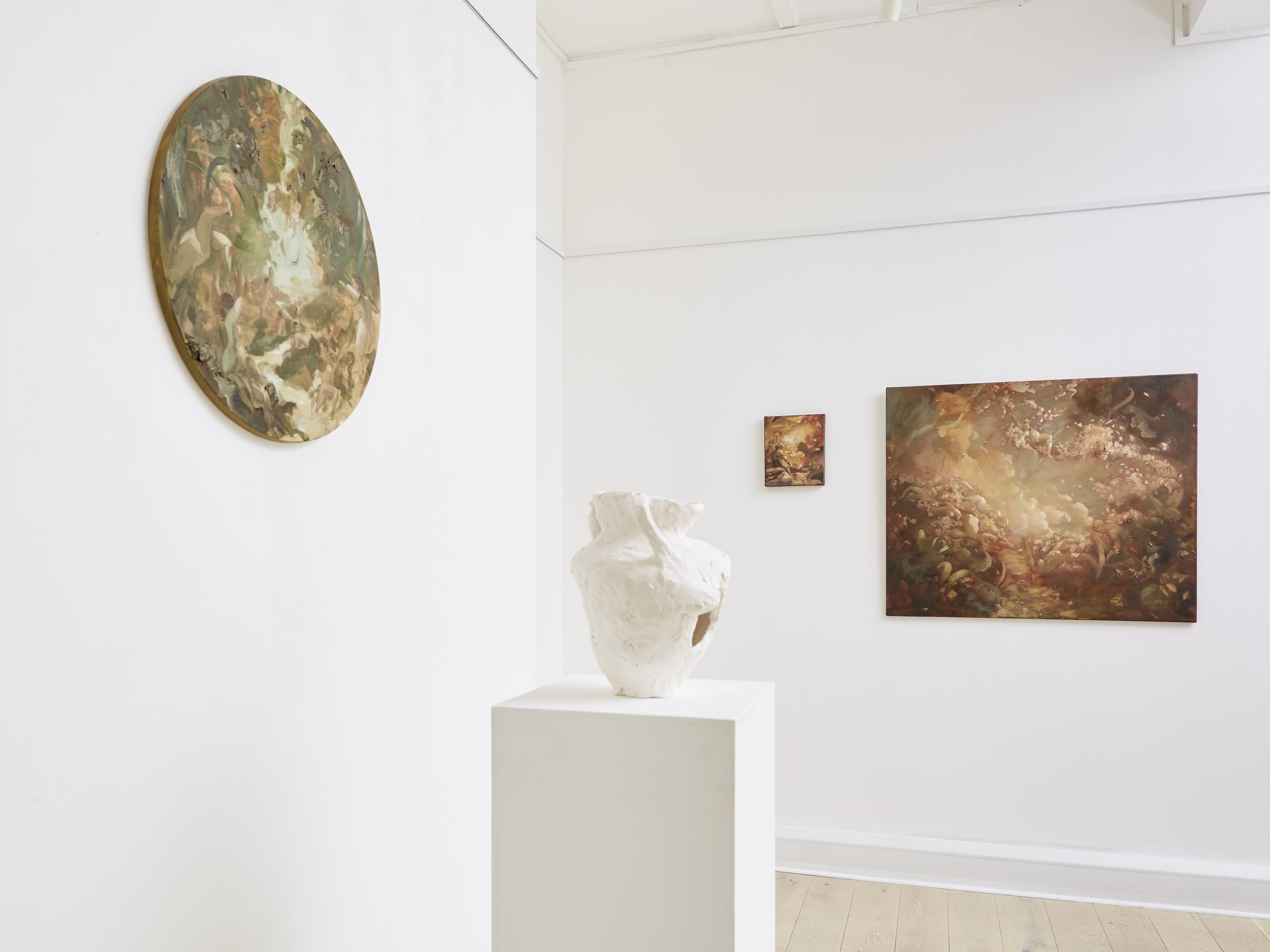
Introducing Millie Jason Foster | Founding Director, Gillian Jason Gallery
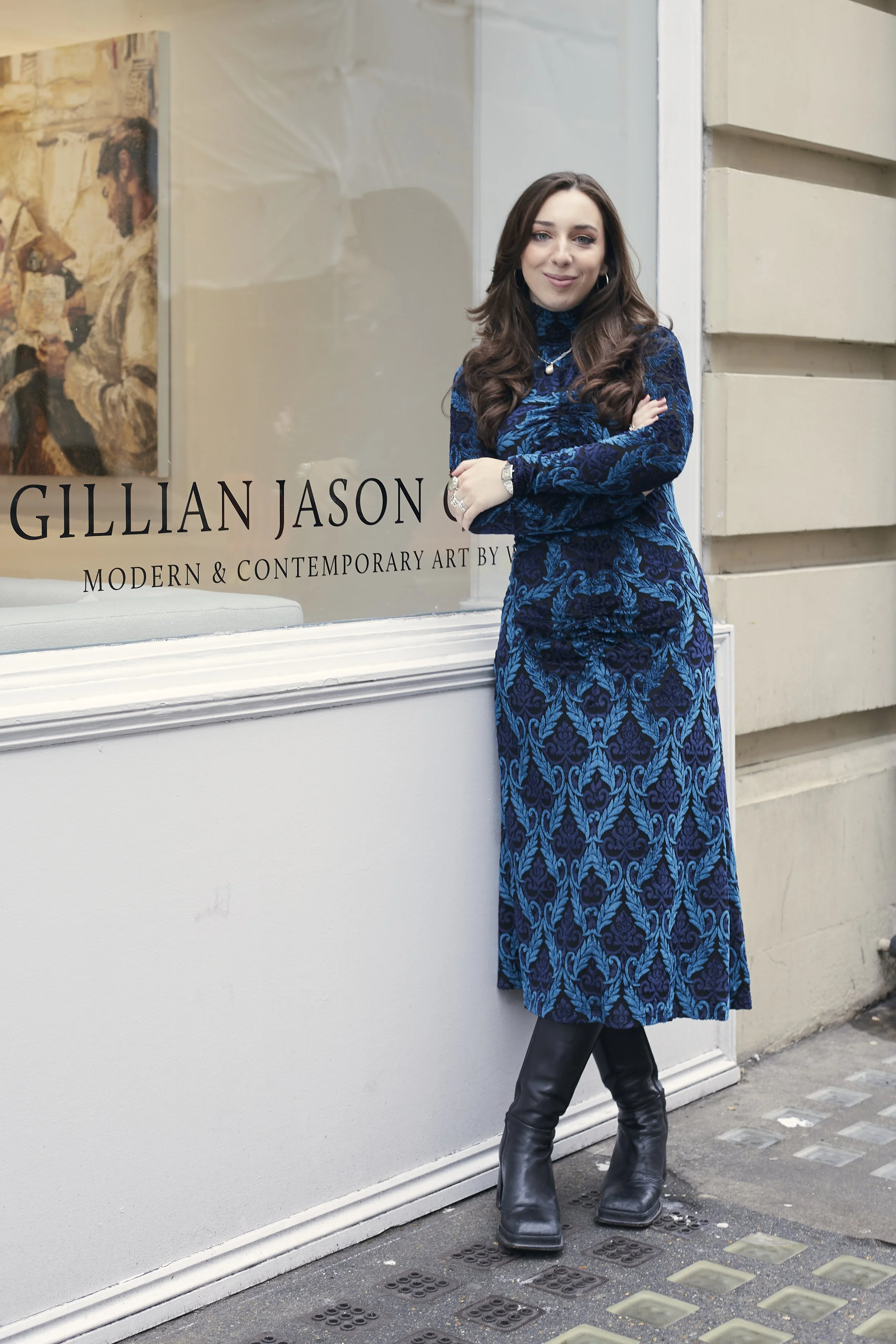
Meet Millie jason foster, Founding Director of the Gillian Jason Gallery and the force behind the UK’s first commercial space dedicated entirely to art by women. join us as we unpack the intersections of money, creativity and well-being with women who are redefining their fields. Millie’s story offers a powerful look at purpose-driven leadership, modern collecting and what it means to build a legacy that elevates others.
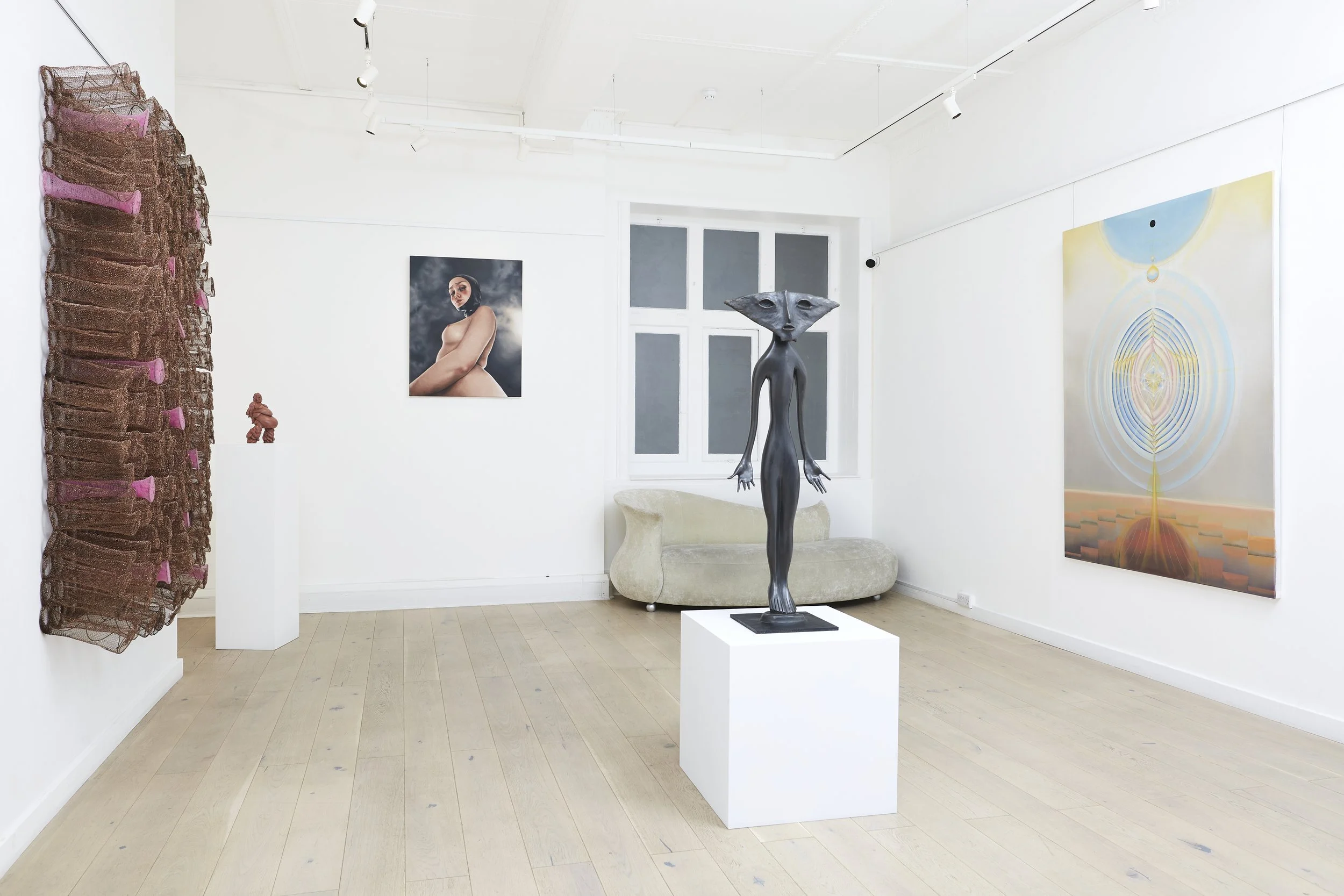
“I am the Founding Director of Gillian Jason Gallery, the first commercial space in the UK to solely champion art by women. Before reopening my grandmother’s eponymous Gallery in 2021, I worked in Investment Banking and Tech Startups. I now use these skills to support women across generations and creative fields.”
Reviving her grandmother’s pioneering gallery, Millie has transformed a powerful family legacy into a contemporary mission: elevating female artists, correcting long-standing imbalances in the art market, and creating a space where women’s creativity, stories, and cultural impact are centred. Drawing on her background in investment banking and tech, she blends curatorial integrity with strategic insight — supporting artists across generations while guiding a new wave of collectors who are driven by purpose, connection, and values-led decision making.
@gillianjasongallery / gillianjason.com
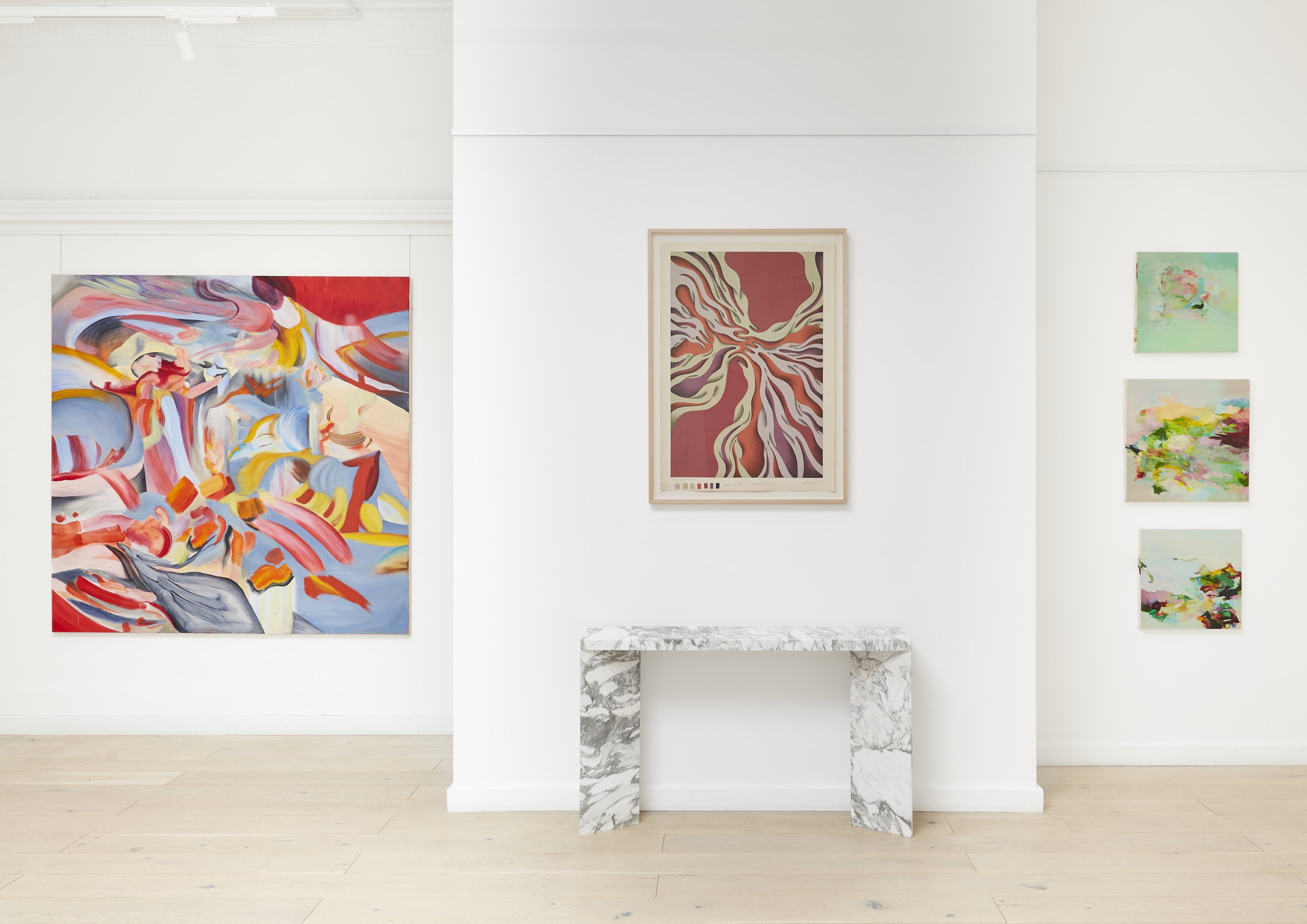
Gillian Jason Gallery has been a pioneer in spotlighting women artists for over four decades. How do you see the role of the gallery evolving in today’s cultural and social landscape?
When my Grandmother opened her Gallery in 1980, she became a pioneering dealer in Modern British Art. During her lifetime, she used the Gallery to exhibit husband & wife shows, in order to platform the woman ‘behind the man’. For example, Lilian Holt was the wife of famed 20th Century artist David Bomberg. My Grandmother’s gallery was the only one to hold a duo show between the pair and to work tirelessly to place Holt’s work into the Tate collection. When my grandmother passed, we wanted to honour her legacy, so reopened the gallery with a renewed focus on solely championing female artists. Today, female artists still have lower representation at galleries, and prices remain below that of their male counterparts. In a historically patriarchal market, (over)corrections are necessary in order to balance the playing field.
The art world is shaped by both passion and capital. How do you keep art human when it’s also a marketplace?
Galleries have to sell in order to support themselves and the artists they represent. However, at GJG, curatorial weight is paramount. As such, we find it key to encourage the artist to create what they want to put out into the world. Then, it is our job to persuade collectors of the importance of an artist’s impact and legacy. GJG only platforms art and artists that we believe in. That way, it remains a human passion for us, rather than just a marketplace.
Have you noticed a shift among collectors, especially women and next-gen buyers, in how they approach collecting?
Yes definitely, female collectors and next-gen collectors of any gender are more cautious about what they acquire. This is threefold: (1) there needs to be an inherent connection between the artist and the collectors, who are interested in patronage more than a single acquisition; (2) female & next-gen collectors want to make a smart investment, as well as buy something they like, so they like to know an artist’s CV and expected career path and; (3) these collectors do not want to place acquisitions in storage – if one buys what they resonate with, they want to see it every day in their home.
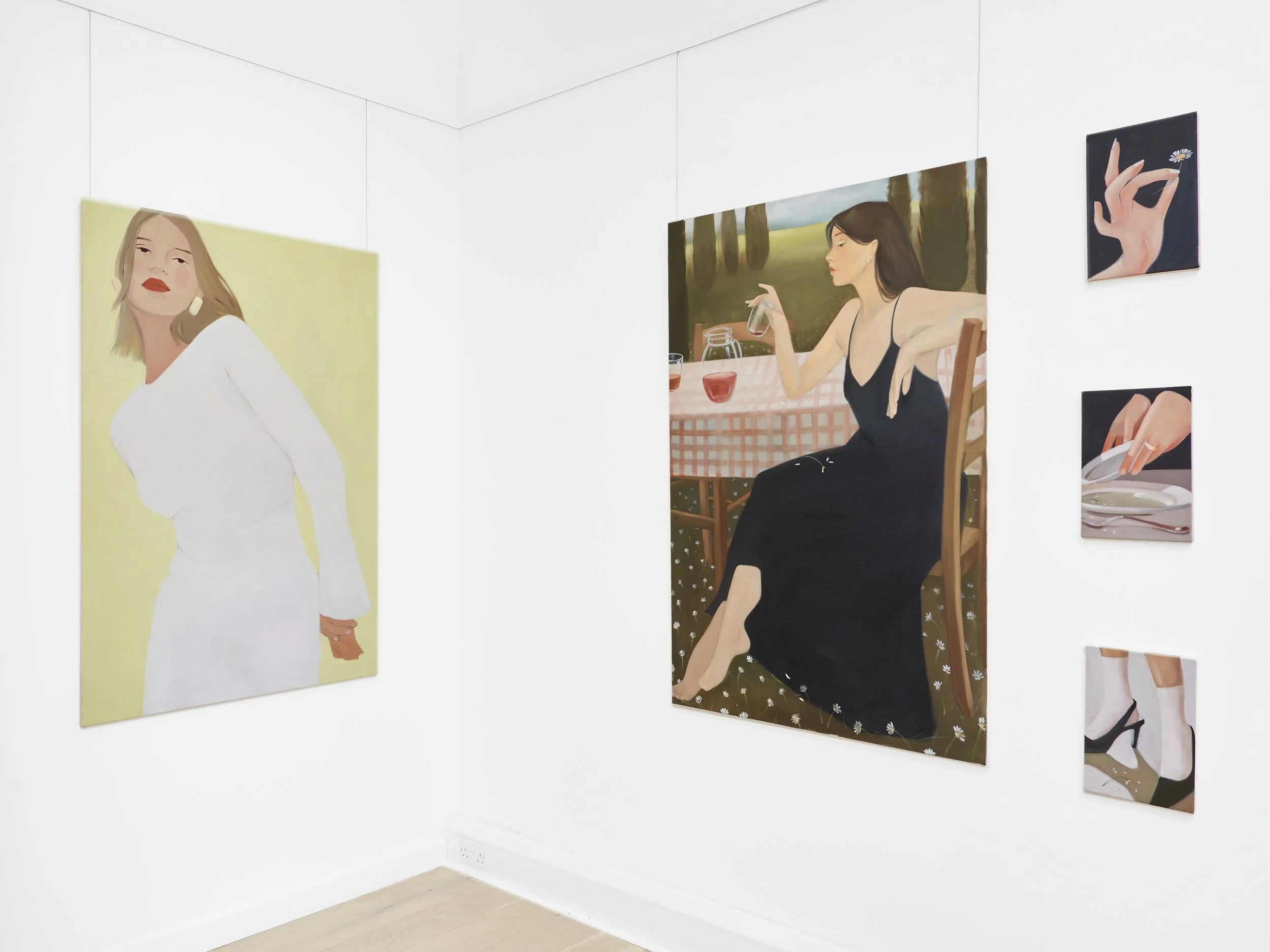
Do you think the way we measure value in art is changing, especially as more women and next-gen collectors enter the space?
Yes, definitely. I find that an increasing amount of value is placed on an artworks’ social or political resonance – art that speaks to the viewer and connects due to their own experiences and/or views.
What advice would you give to someone looking to begin or refine their collection with a gender-conscious or values-driven lens?
Find Gallery programmes that you align with. If you like their brand and the artists they represent, you will be more inclined to trust the process of collecting. Secondly, only acquire art that truly resonates with you – not because of any investment purposes. If it resonates with you, it will most likely become popular with others too.
The gallery has a clear sense of purpose: to champion women artists and equality in the art world. What drives this mission personally for you?
I am one of five sisters. There is a strong female presence in my family. I am also inspired by the pioneering legacy of both of my grandmothers, who worked hard throughout their lifetime and broke many boundaries. Championing female artists enables me to help other women break boundaries today. I hope this makes my grandmothers proud.
The gallery is a family legacy, how has working with family shaped your leadership, creativity, and long-term vision?
My mother, Elli, and I reopened my grandmother’s gallery together. My mother is another resourceful and larger-than-life woman who has made decisions based on a passion to help others. This selflessness is something that I want to purport at GJG.

WEALTH
Describe your relationship with money and personal finance in five words?
Spend it to Make it.
How do you define wealth?
The ability to make accountable choices freely.
What money lessons did you learn when growing up? What would you have done differently?
Saving is everything, I wish I had started sooner.
What has been the most helpful tool for you to learn about money?
My career in Investment Banking.
How do you organise and manage your own finances?
I’m a spreadsheet person – for the business and for my personal savings.
What is the best money decision you have made?
Investing in my own business.
What is your number one financial priority?
Gillian Jason Gallery.
How often do you talk about money with your friends?
A lot - I think it’s important to be open and share experiences.
Which area of finance do you wish you knew more about, and why?
Alternative assets (beyond art) – I am always trying to expand my knowledge as I think there are many untapped markets.
WELLNESS
What practices, physical or philosophical, keep you anchored when life gets chaotic?
If I feel overworked or overwhelmed, I make sure to minimise my weekend plans and take time for myself. It helps me rest and reset.
Do you have a morning routine to set you up for a productive day?
Protein shake, coffee, and a walk to work.
What are you currently reading and listening to?
I am re-reading my Grandfather’s autobiography on his life during and after the second world war. It tells the history of my Jewish roots and the importance of remembering where I come from. I read this book once every other year – it helps to ground me and remember what’s important.
One ritual that never fails you.
Putting on my makeup – although trivial, even if I am not seeing anyone, it helps me feel ready for the day.
A book or idea that changed how you see the world.
‘Building Social Business’ by Mohammed Yunnus – the idea that microfinancing can catalyse sustainable economies, even for the poorest among us.
The sound, scent, or space that instantly grounds you.
Home.
And finally; what does enough mean to you?
If I know I have done my best, I am happy with whatever outcome is received.