Introducing Constance and Marguerite de Monravel | Co-founders, Maison Monravel

© Nais Madec
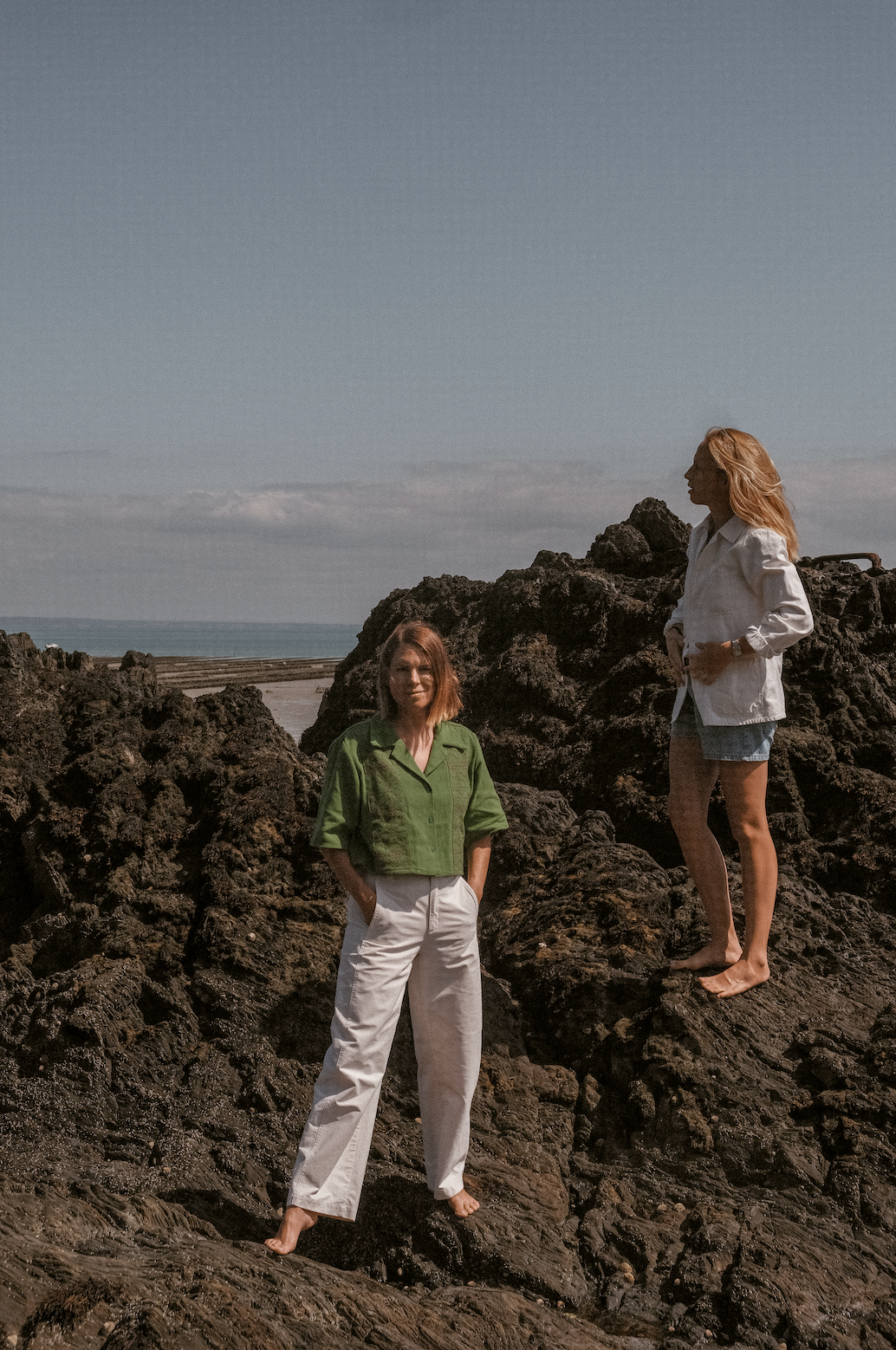
Meet Constance and Marguerite de Monravel, founders of Maison Monravel. Constance, a Bocconi and Harvard graduate who spent years in international hospitality, and Marguerite, a pharmacist with an obsession for botany, found their opening in Louis de Montravel, Constance's great-great-grandfather and botanist, whose 19th-century manuscripts had waited generations in the family's Paris apartment, unread and unused. With perfumer Katell Plisson, they turned his research into six candles under a single conviction: "Parfums et Remèdes," perfumes as remedies. They launched on the floor at Le Bon Marché, and have recently reached Liberty London. Join us as we explore what it takes to build a house on inherited science rather than invented sentiment, and why the most valuable inheritance is the one you're brave enough to use.
WEBSITE | LINKEDIN | INSTAGRAM

©Aude Le Barbey
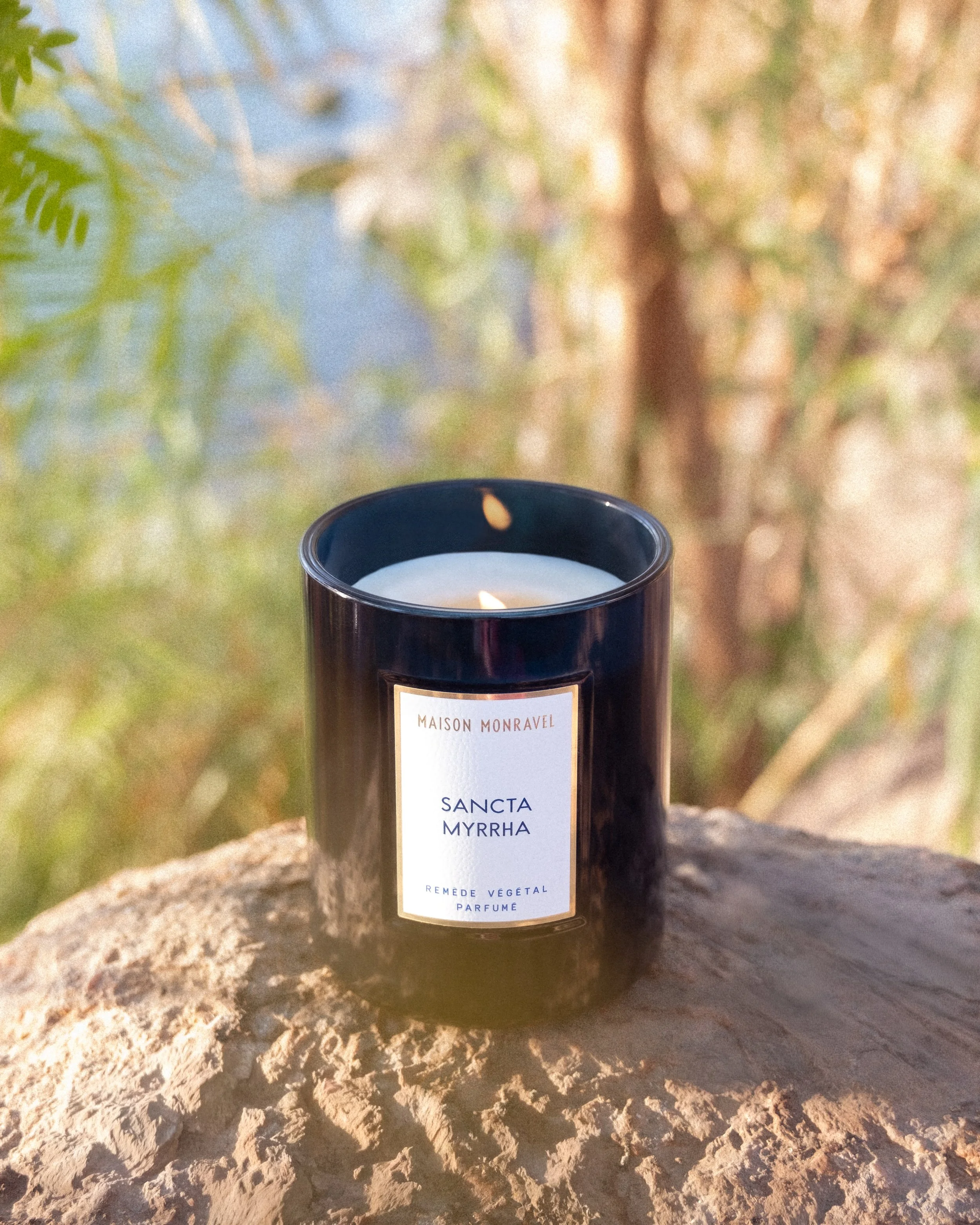
Maison Monravel is a French fragrance house founded by Constance and Marguerite de Monravel, a couple bringing together two complementary perspectives: Constance’s international luxury and hospitality background, and Marguerite’s scientific training as a pharmacist. The house is inspired by Louis de Montravel, Constance’s 19th-century ancestor and botanist, whose botanical archives explored the properties and uses of plants. Together, we reinterpret this botanical heritage through fragrance, craftsmanship and everyday rituals, creating what we call “Parfums & Remèdes”: fragrances inspired by the ancestral virtues of plants.
©Aude Le Barbey
Maison Monravel is built on the legacy of Louis de Montravel, Constance's 19th-century ancestor and botanist. What was the moment you decided his botanical archive belonged in a fragrance house rather than a family attic?
The archive was always part of our family history, but for a long time it was simply that: history. What changed was realising that Louis de Montravel had approached plants not only as objects of scientific observation, but as something deeply connected to everyday life, well-being and ritual. We wanted to bring this heritage into the present through Marguerite’s contemporary scientific expertise as a pharmacist, and in response to the growing desire for more meaningful, natural and conscious approaches to well-being. Rather than simply reproducing his work, we reinterpret it through fragrance, combining botanical knowledge with contemporary perfumery and a modern understanding of well-being.
Constance, you've spent your career in international hospitality before turning to founder life. What did that world teach you about how people actually experience luxury, and how has it shaped the brand?
Hospitality taught me that luxury is ultimately about how something makes you feel. People rarely remember every detail of an experience, but they remember the atmosphere, the emotion and the care behind it. It also taught me that true luxury is not necessarily about excess. It is about intention, consistency and the feeling that someone has thought about every detail. That has strongly influenced Maison Monravel. From the fragrance itself to the glass, packaging and ritual of lighting a candle, everything has to feel considered.
Marguerite, your training is scientific rather than commercial. How did you and Constance divide the early decisions, and where did your instincts as a pharmacist override the more conventional beauty industry playbook?
Our backgrounds are very different, which is one of our strengths. Constance naturally thinks about positioning, experience, distribution and the business as a whole. I tend to question ingredients, formulations, mechanisms and the scientific credibility behind what we say. Being a pharmacist also makes me very sensitive to the distinction between a traditional use of a plant and a scientifically established medical effect. We deliberately chose to build the brand around botanical heritage and sensory rituals rather than make therapeutic promises that fragrance cannot legitimately support. This scientific perspective also influences the way we develop our fragrances. We want the botanical story to be meaningful and coherent, rather than simply using plants as a marketing narrative.

© Nais Madec
You debuted at Le Bon Marché rather than building slowly online. What made you confident the collection could hold its own on that floor from day one?
We knew that the product needed to be experienced physically. Fragrance is difficult to communicate through a screen, particularly when the proposition is as much about the ritual and the object as it is about the scent. Le Bon Marché was the right environment for us because it brings together craftsmanship, design and contemporary luxury. We believed Maison Monravel could stand alongside established houses because we were not trying to imitate them. We had a distinct point of view, a strong object and a story that was genuinely ours.
The house positions its candles as "Parfums & Remèdes", rather than simple home fragrance. Where do you draw the line between wellness credibility and medical claims you're careful not to make?
The distinction is fundamental to the brand. “Remèdes” refers to the ancestral relationship people have had with plants and their traditional uses. It does not mean that our candles are medicines, nor do we claim that they treat or cure anything. We are interested in the emotional and sensory dimension of plants: how a scent can create an atmosphere, accompany a ritual or influence the way we experience a moment. We want to inspire well-being without pretending to replace medicine.
You work with perfumer Katell Plisson to translate botanical research into scent. What does that collaboration actually look like when the two of you bring a plant's history to the table and she has to make it wearable?
We start with the benefits and traditional uses of plants and raw materials, but also with what they evoke in us. A plant can have a particular botanical history, but it can also evoke a place, a memory, an emotion or a certain state of mind. Both dimensions are important to us. What is particularly valuable is having someone who can put all of this into music, so to speak. Katell understands both the olfactory dimension of natural ingredients and their role in creating a certain sense of well-being. That combination is very rare. Finding the right person was actually one of the most difficult parts of developing Maison Monravel. We needed someone who could understand our scientific and botanical approach, while also being able to translate it into something beautiful, sophisticated and genuinely desirable as a fragrance. We were very fortunate to find that in Katell.
©Aude Le Barbey
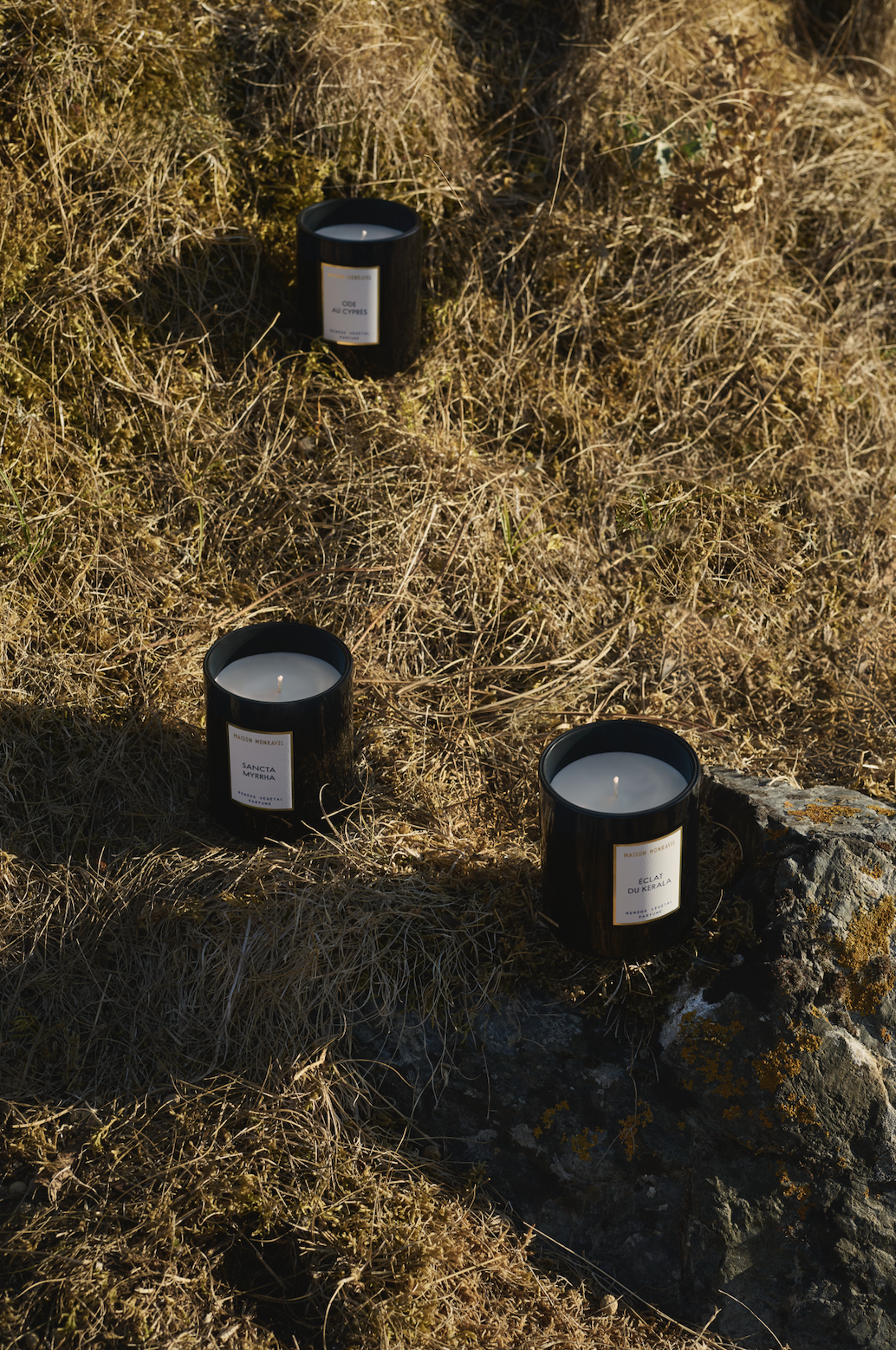
Refillable candles, rapeseed wax, production kept in France. Which of those commitments has been hardest to hold onto as the business has scaled?
Keeping quality and responsibility aligned with economics is probably the hardest part. It is much easier to make compromises when you are scaling a young business. We have deliberately accepted that certain choices cost more because they are part of the identity of the house. Refillable design, for example, requires more thought in the object and packaging, but we believe a beautiful vessel should not become disposable once the candle is finished. For us, European production is also important because we want to know who makes our products and maintain close relationships with our partners. Scaling should not mean losing that level of control.
What's the disagreement between the two of you that ended up making the brand stronger?
We are not always in agreement, but we have learned that we each have our own area of expertise. Marguerite leads on fragrance, ingredients and everything connected to the botanical and scientific side of the product, while Constance leads on the brand, business, positioning, distribution and the wider company.
Sometimes one of us will disagree with the other, but the important thing is that we trust each other enough to respect the other’s expertise. We do not need to agree on everything to move forward. In fact, that difference has made the brand stronger. Each of us knows when to listen to the other because we know that she has genuinely mastered her field. It makes us more rigorous and allows us to stand firmly behind our decisions. It also balances our personalities. Constance is naturally more comfortable taking risks, while Marguerite is more risk-averse. Rather than seeing that as a weakness, we have learned that it is an important balance in running a business. One pushes us forward; the other makes sure we have thought carefully about what we are risking.
© Nais Madec
WEALTH
If we think about wealth beyond money, where does health sit in that equation?
At the very top. Without health, financial wealth quickly loses its meaning. And health is broader than the absence of illness. It is having energy, mental space, relationships and enough time to actually enjoy what you have built. For us, well-being is also about having the freedom to choose how you spend your time and what you give your attention to.
Describe your relationship with money and personal finance in three words?
Constance:
Freedom, independence, perspective.
Marguerite:
Security, stability, peace of mind.
How do you define wealth?
Wealth is having choices. Having enough financial freedom to decide how you spend your time, where you live, what you build and what you say no to. It is also being able to create something meaningful without constantly feeling constrained by financial insecurity.
What is the best money decision you have made?
Investing in the quality and foundations of the brand rather than trying to manufacture growth too quickly. A luxury brand is an asset that takes time to build.
How often do you talk about money with your friends?
Not as much as we probably should, especially in France, where there is still a strong culture of not talking too openly about money. It can feel private or even slightly uncomfortable. We actually think it is important to talk about it more. There is so much to learn from other people's experiences: how they invest, negotiate, build businesses, deal with failure or simply make financial decisions. Talking about money does not have to be about comparing what you have. It can be about learning from one another.
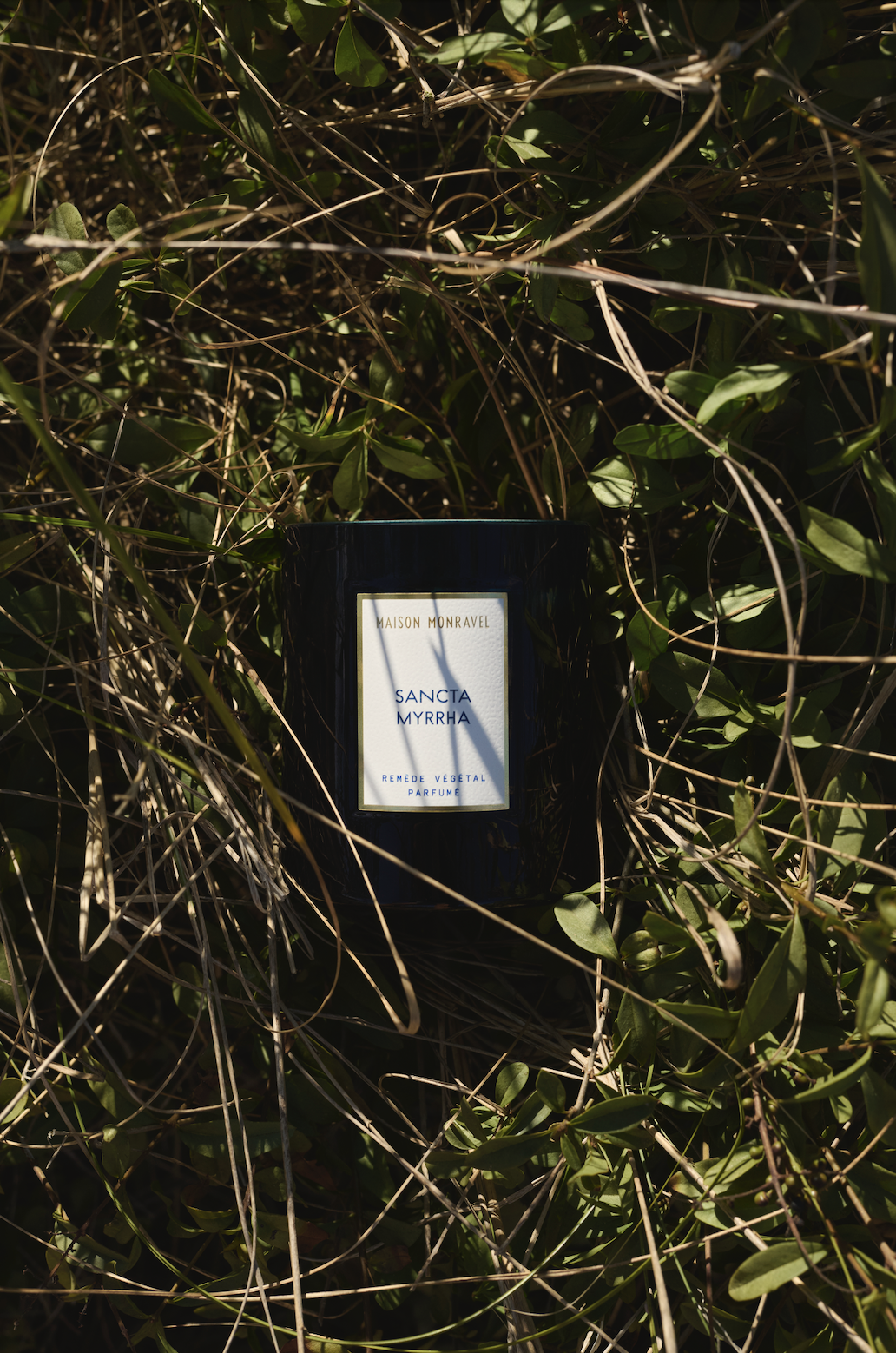
©Aude Le Barbey
What money lessons did you learn when growing up, and what has been the most helpful tool for you to learn about money?
Constance:
Growing up in Europe, I think we were generally taught to be quite risk-averse. There is a strong culture of security: find a stable path, avoid unnecessary risk and make sure you have something to fall back on.
When I went to Harvard Business School, I was exposed to a very different entrepreneurial culture, particularly in the US. People seemed much more comfortable dreaming big, taking risks and accepting that failure could be part of the process. It changed the way I think about ambition.
Before HBS, I think I was much more afraid of failing. I learned that failure is not necessarily the opposite of success. It can be part of the learning curve, and if you fail intelligently, you are often better equipped the next time. I am still naturally cautious, but I am much less afraid of taking risks today. Building Maison Monravel has taught me that you cannot build something ambitious while trying to eliminate every possibility of failure.
Marguerite:
I am naturally more risk-averse than Constance. I tend to look at what could go wrong before deciding to move forward. But that difference actually balances us very well as entrepreneurs. Constance is often the one who sees the opportunity and is willing to take the leap, while I tend to ask whether we have properly assessed the downside. Neither approach is sufficient on its own. Having both perspectives helps us take ambitious decisions without being reckless.
What's the financial decision in building this business that you were most nervous about, and how did it play out?
One of the decisions that made us the most nervous was choosing to work with high-quality suppliers in France and Italy from the very beginning. We deliberately chose European partners for key elements of the product, including fragrance, glass and manufacturing. They are experienced, high-quality suppliers, but working at this level also means committing significant amounts of capital upfront, particularly for a young company. The amounts involved are substantial, and you are investing in production before knowing exactly how quickly you will sell the resulting inventory. It requires a lot of confidence in the product and in the business plan. It was a significant financial risk, but we believe it was the right one. It allowed us to build the level of quality, craftsmanship and consistency that we wanted from day one.
What's a piece of financial advice, from a mentor, an investor, or each other, that changed how you run the business?
Remember that revenue is not cash flow.
It sounds simple, but it is one of the most important lessons we have learned as founders. You can have strong revenue growth and still find yourself under significant cash pressure if your inventory, production costs, payment terms and receivables are not aligned. It changed the way we look at the business. We no longer ask only, “How much are we selling?” We also ask, “When does the cash actually come in, and how much do we need to fund the next stage of growth?”
What is your number one financial priority?
Maintaining enough cash to remain independent in our decision-making while investing selectively in the areas that can genuinely accelerate the business. For us, financial independence as a company is particularly important. We want to have the freedom to make long-term decisions rather than being forced into short-term choices because of cash pressure.
Which area of finance do you wish you knew more about, and why?
Investments and capital allocation. As founders, we spend so much time thinking about how to generate capital that understanding how to make capital work intelligently is equally important.
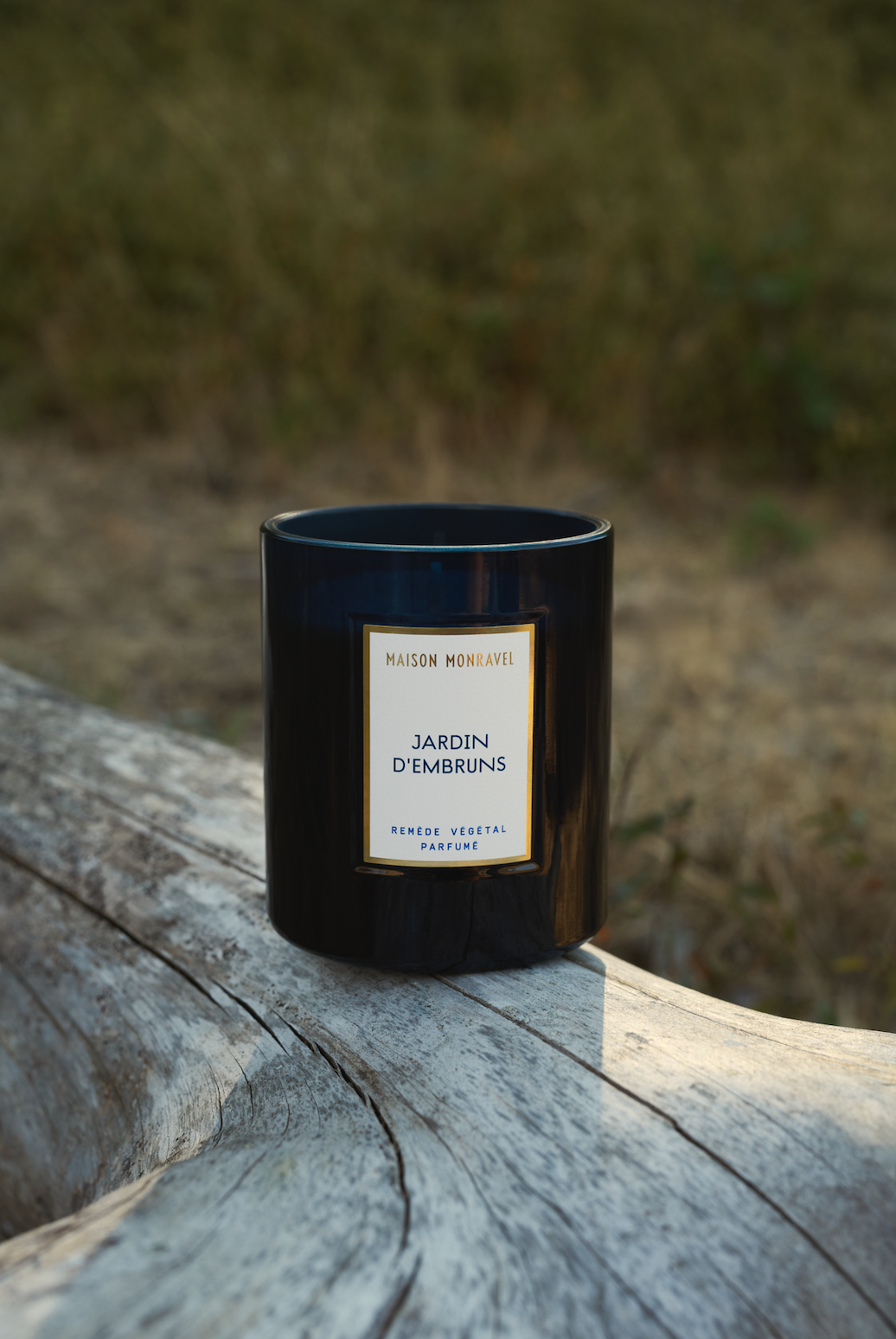
©Aude Le Barbey
WELLNESS
What's one ritual, borrowed from your ancestor's era or entirely your own, that you'd want every Maison Monravel customer to adopt?
We would say La Roche, which is one of the most distinctive rituals we have created at Maison Monravel. It is a different way of perfuming a room: rather than simply burning a candle, you place perfume onto the natural stone and allow the fragrance to diffuse slowly into the space.
We love the idea because it turns fragrance into a quieter, more contemplative ritual. There is no flame, and the perfume evolves gently over time. It is a very simple and unique way of transforming the atmosphere of a room while creating a moment that is entirely your own.
What practices, physical or philosophical, keep you anchored when life gets chaotic?
A good friend once told me something that stayed with me: if you are naturally stressed, do not become an entrepreneur, because 90% of your days will be chaos and problems.
It sounds dramatic, but there is some truth to it. As an entrepreneur, there will always be another problem to solve, another unexpected issue or another decision to make. If you cannot switch off at the end of the day, your life can become exhausting.
I have learned that not everything is dramatic. Some things genuinely matter, and others can wait until tomorrow. Being able to step back, put a problem into perspective and still enjoy your evening is probably one of the most important skills I have developed as a founder.
Is there a particular place or person you turn to for inspiration?
We are particularly inspired by women entrepreneurs who have built successful businesses while creating their own paths. We find it fascinating to see the different ways women define success and balance ambition with the rest of their lives.
We are inspired by women who have not necessarily followed the obvious route, but have had the courage to create something that reflects who they are.
Do you have a morning routine to set you up for a productive day?
We both like waking up early, before the day becomes too busy. And, naturally, we usually start by lighting one of our fragrances designed for energy, such as Citrus Maxima or Jardin d’Embruns.
There is something very powerful about beginning the day with fragrance. It creates an immediate atmosphere and a sense of intention before the emails and decisions begin.
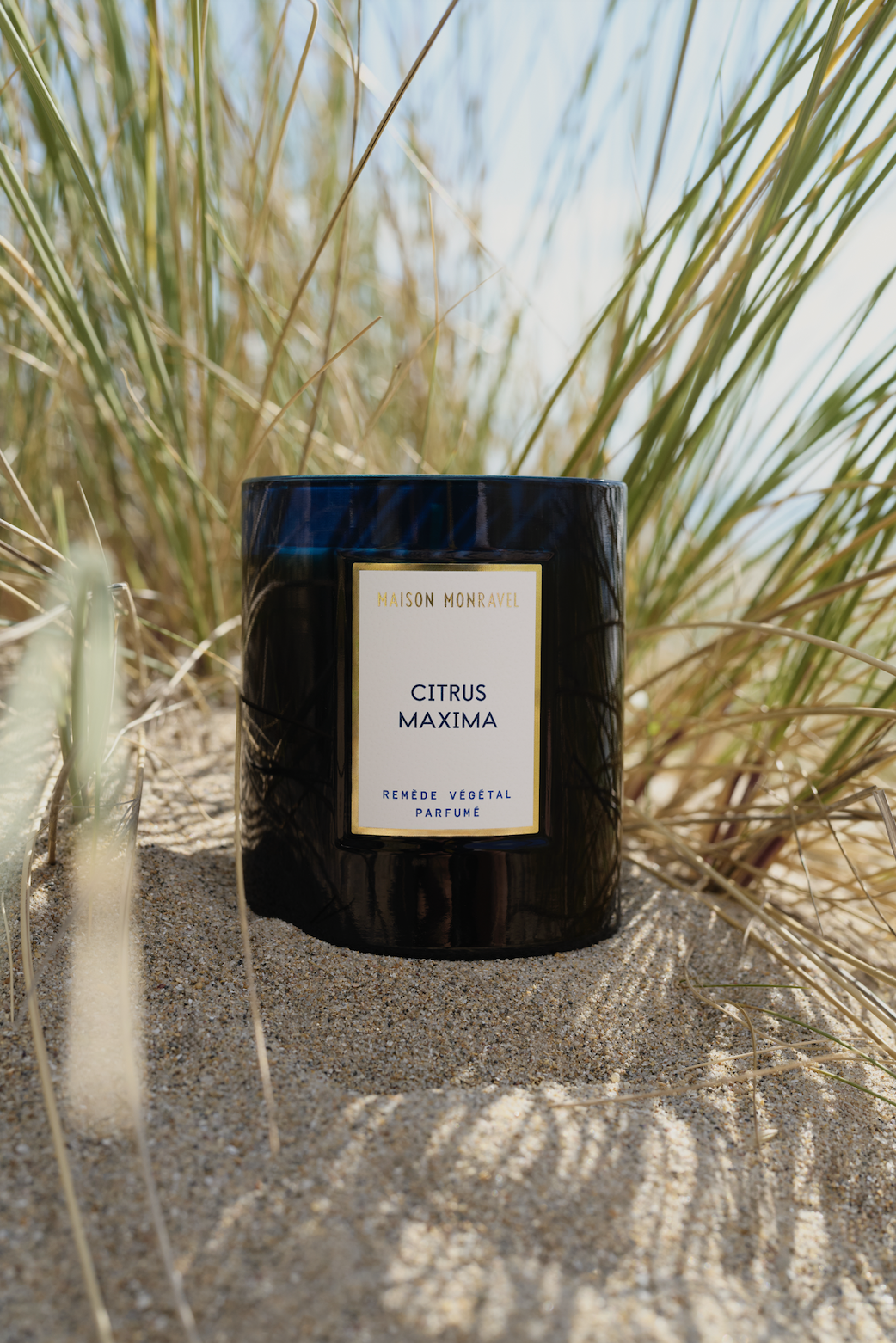
©Aude Le Barbey
What are you currently reading and listening to?
I am currently reading the biography of Eileen Gray, one of my favourite designers. I have always been fascinated by her ability to combine architecture, furniture and art while creating such a distinctive personal language.
Marguerite is currently reading a book about Simone Weil.
I also listen to a lot of podcasts about entrepreneurship. One of my favourites is Founders, because I love hearing how entrepreneurs actually built their companies, including the decisions, mistakes and setbacks that are usually left out of the success story.
One ritual that never fails you.
Playing with my son and being completely present with him.
It is one of the few moments when I am not thinking about the business, what needs to happen next or what I should be doing. Being fully present with him brings everything back into perspective very quickly.
A book or idea that changed how you see the world.
One idea that has stayed with me is that you do not have to follow someone else's path. You can create your own.
There is so much pressure to follow an established definition of success, whether professionally or personally. Realising that you can design your own path, even if it looks completely different from what people expect, is incredibly liberating.
The sound, scent, or space that instantly grounds you.
For me, it is the South of France. The light, the landscape, the Mediterranean air and the smell of the vegetation immediately bring me back to myself.
For Marguerite, it is Brittany. The sea, the wind and the landscape have a very different energy, but create the same feeling of being grounded.
And finally; what does ‘enough’ mean to you?
We have very different relationships with the idea of “enough”.
I am naturally someone who always wants more. More ideas, more projects, more growth. That ambition is part of what drives me, but it can also make it difficult to stop and appreciate what is already there.
Marguerite is much better at appreciating what we have and recognising when something is already enough.
And I think she is right to remind me of that. Because when you actually look at what we have built, the people around us and the life we are living, it is already more than enough. The challenge is learning to recognise it while still having the ambition to keep going.