
Introducing Neena Jivraj Stevenson | Managing Director – The Sloane Club
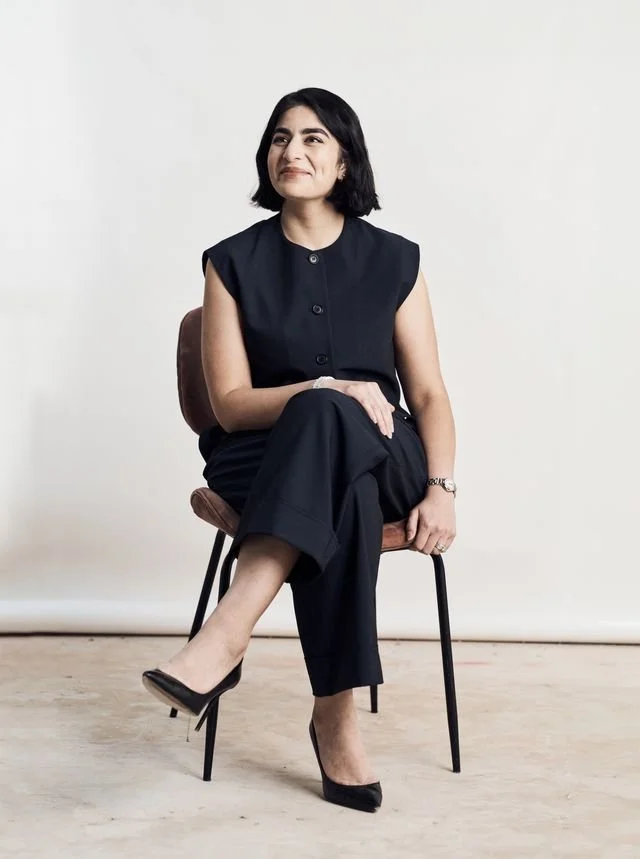
Meet Neena Jivraj Stevenson, Managing Director of The Sloane Club, the Chelsea institution she has spent nearly a decade turning from a fading relic into one of London's most talked about members' clubs. As part of the third generation of the Jivraj family leading Queensway, the hospitality business that acquired the club alongside Clearbell Capital in 2017, she oversaw a £20 million renovation, built a leadership team, and studied leadership and organisational change at Harvard Business School along the way.. By 2020 she had been named one of Management Today's 35 female business leaders under 35, and she still holds the role of Chief Culture Officer across Queensway's wider portfolio, shaping how more than a thousand people work across its hotels, franchise businesses, and support office. She also founded the Queensway Foundation, which funds causes the family believes in and gives staff confidential support when life gets hard. Join us as we explore what it takes to inherit a legacy and rebuild it from the inside, the particular pressure of leading a business that carries your family's name, and why she still believes the best leadership decisions get made in a good pair of shoes, with a woman who turned a discreet, tired club into a place people actually want to be seen.
WEBSITE | personal LINKEDIN | INSTAGRAM
“I grew up in a very close, multigenerational family. There were 3 generations living together and the family business, which had been founded by my grandfather and later taken over by my father, was a regular feature in dinner table conversation. Commitment to work and it being a vehicle through which we could positively impact the world were core values I observed from a very young age. Having now joined the family business, those values are still very much a feature of the way we work. I am the first female to join the business and from early on, I was very determined to prove myself and be independent. After graduating, I began my career in Management Consulting which gave me a solid foundation and after 5 years and many chats with my father, I joined Queensway, my family’s real estate and hospitality business which encompasses a hotels business, a Starbucks and KFC franchise and a portfolio of residential property. A few years later, we acquired The Sloane Club, a private members club in Chelsea. I oversaw a significant refurbishment programme at the Club and now run this particular business whilst remaining heavily involved in all aspects of people & culture within the other businesses within the Group.”

You came up through a family business, studied at Harvard Business School, trained at Deloitte, and now run one of Chelsea's most storied private members clubs. What did you learn from each of those experiences that you have built into the way you lead?
I feel very fortunate to have started my career in a big corporation – you learn so much from being in an environment like that. Simple things like how to communicate, analyse information, manage your time and experience different leadership styles. I owe a lot of my foundational learning to my time at Deloitte and the leaders in that business who took a chance on me, saw something in me that I couldn’t necessarily see at the time and took time to mentor and develop me. My time at Harvard Business School was quite incredible. I love to learn and the case method brought so many business lessons to life through real stories and real people. More than anything, I met amazing people. I was one of the youngest in my cohort and the imposter syndrome was quite prevalent, I wasn’t sure how I would fare among such accomplished classmates but somehow, I held my own and found my voice. Today, I have been given the extraordinary privilege of leading a business that has true heritage – The Sloane Club was founded by women for ex-servicewomen in 1922, only opening its doors to men in the late 1970s. Being entrusted with such history and given the opportunity to write the future of this brand is quite something. I hope I have stayed true to the founding principles of friendship, community and belonging that were at the heart of the vision in the 1920s and made that relevant for today’s modern Member. Whilst all of my experiences have shaped how I lead today, the most powerful lesson is that leadership has to be authentic, I need to feel true to myself and my values in the way I lead my team and the business. My intention is to balance commerciality with creativity and kindness and to create a culture where my team can grow, thrive, learn and have fun together.
When you think about legacy in the context of your family business, what feels defined and what has always felt open to interpretation?
As part of the third generation of my family’s hospitality business, I am mindful of my responsibility and the role I play within a multigenerational entrepreneurial journey. What feels defined is the “how” – there is no compromise of the values of integrity, respect, kindness, commercial discipline and long-termism – which are foundational to the business and the family. Where there is room for interpretation is in bringing myself and my skills to the table, adapting what we do to market needs and changing contexts and constantly evolving our businesses to ensure we are following best practice.
The Sloane Club was originally a women-only club, and women's spaces are having a significant cultural moment right now. Where do you see the conversation going, and what does The Sloane Club's own history teach us about it?
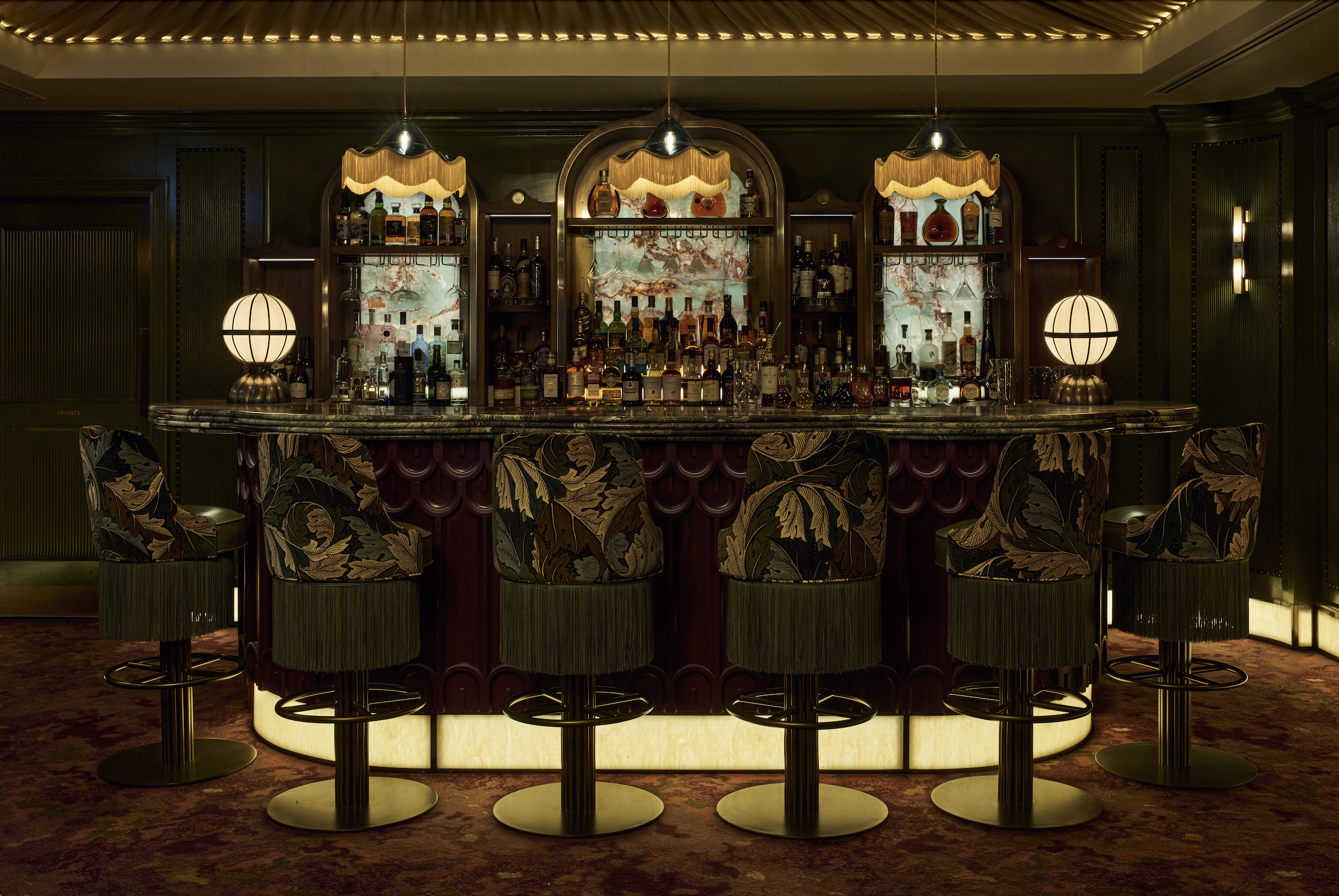
The Sloane Club was founded in 1922 as the Ex-Service Women’s Club by Princess Helena, one of Queen Victoria’s daughters. It was created as a sanctuary for women returning from the First World War; women who had stepped into roles previously closed to them who needed a place of belonging, community and strength. It was, for its time, a quietly radical idea; a space designed for women to gather, exchange ideas and support one another’s ambitions. As we unveiled a new chapter for the club, I was conscious that we were not simply redesigning interiors; we were stewarding that founding spirit into a new era.
Whilst women’s spaces are having a cultural moment today, The Sloane Club was part of this movement more than a century ago. And so, as that conversation continues, I believe we have a responsibility to honour those who created opportunity before us while asking how we widen the path further for others. That was important for me as we designed the experience for the Club, that we continued the “female-first” spirit of the Club and wove that into various touchpoints authentically – through the female portraits that adorn the walls, the softness of the interiors in certain spaces, the restaurants named after women of significance in the Club’s history, the content within our cultural programming and of course, the membership, which to this day, leans more heavily towards women than men.
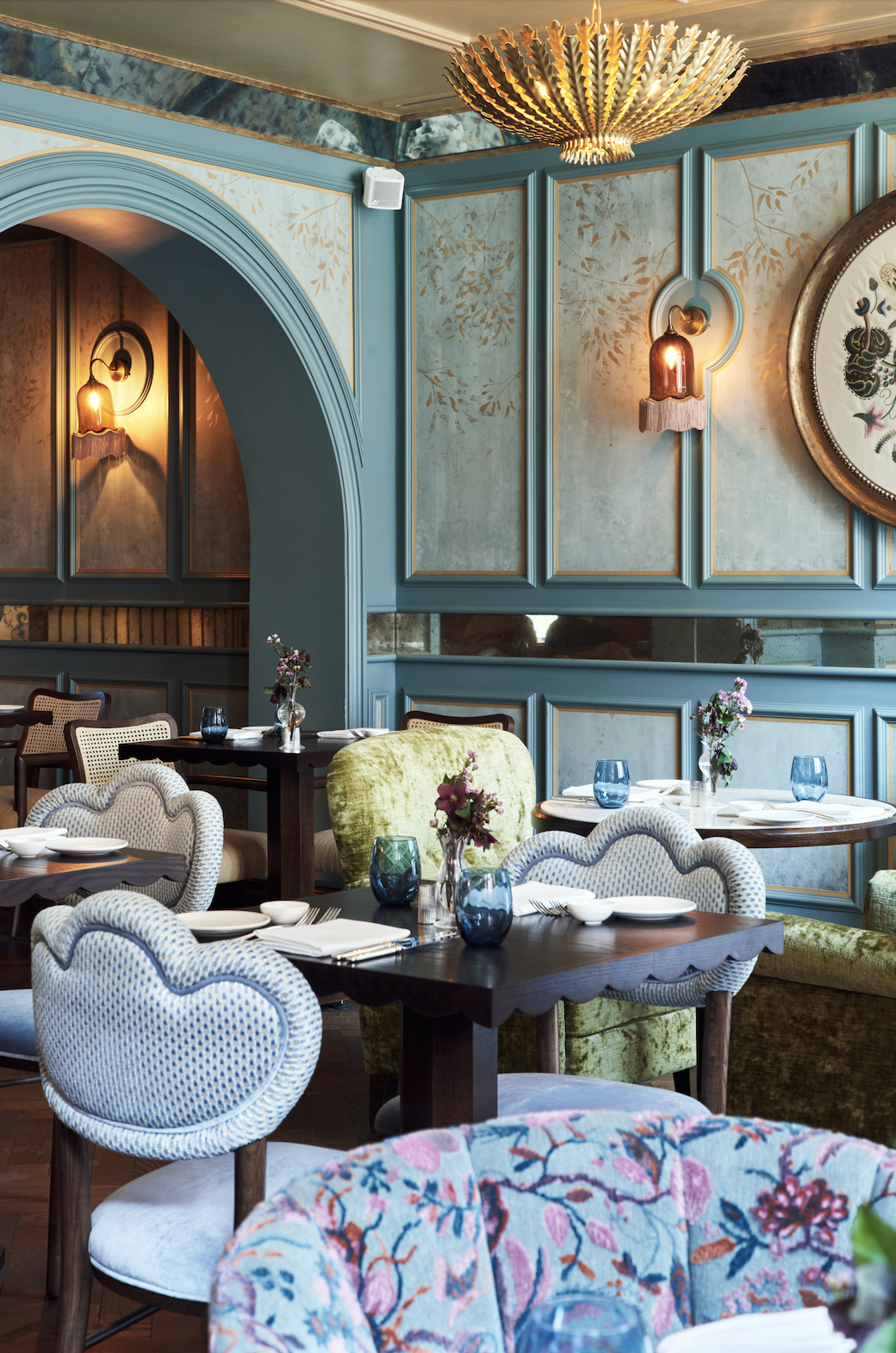
Leading a £20m renovation while keeping a live membership community happy and loyal is hard. How did you manage this?
We are so fortunate to have an exceptionally loyal and committed membership whose connection to the Club ran very deep. The prospect of change was exciting but also nerve wracking – taking their sanctuary and evolving it was not something all Members wanted but when we explained the intention and the need for change, there was genuine understanding. Transparency and communication throughout was important as was acknowledging when things were not going to plan and being gracious and grateful for their ongoing kindness and patience throughout.
Hospitality requires a high degree of emotional intelligence. How do you make clear, commercial decisions in an environment that is so people-centric?
Hospitality is the industry that so beautifully blends commerciality with creativity and cultural discipline. We are delivering experiences for people through people. Leading large and diverse teams requires clarity of vision and direction and that has to be grounded in clear financial targets, service requirements and behavioural expectations.
Culture is often the first thing cited when an organisation fails and the last thing properly invested in when it is thriving. How do you make the case for it, financially and strategically, to people who think of it as soft?
Hospitality is a particularly powerful lens through which to consider culture. This is an industry built on care, empathy and human connection – qualities historically considered “soft” and sometimes undervalued in commercial narratives. Our success as a private members’ club is truly reliant on creating a culture of kindness and humanity that is first felt by our teams and then extended to our Members and guests. And so, cultural intelligence, emotional awareness and investment in people is increasingly recognised not as a soft skill, but as a strategic one. Our culture is not ancillary to performance; it is fundamental to it.

WEALTH
Describe your relationship with money and personal finance in three words?
Considered, cautious and (occasionally!) frivolous
How do you define wealth?
Freedom to live, learn and love
What money lessons did you learn when growing up?
I grew up in an entrepreneurial family which had been through significant financial highs and lows. From my father I learnt – revenue is vanity, profit is sanity but cash is king. And from my mother I learnt to seek and maintain my own financial independence.
What has been the most helpful tool for you to learn about money?
Running a business is the quickest and most intense way to learn about the importance of protecting cash, ensuring you can pay your team and managing risk.
How do you organise and manage your own finances?
On spreadsheets, having my own little cashflow, just like I do in the business.
What is your number one financial priority?
The financial health of the business and ensuring my children are educated early about money.
How often do you talk about money with your friends?
Quite regularly, especially since having children and wanting to make the right financial decisions for them

WELLNESS
Your role is outward-facing and people-focused. How do you protect your own energy?
This is a challenge. I am naturally quite introverted but I am required to spend a lot of time with people which I love but I do find draining. I am not very good at protecting my own energy but I have a few non-negotiables which are : walking to or from work daily whilst listening to music, time at the gym with my trainer and a good night’s sleep.
Is there a particular place or person you turn to for inspiration?
I have an amazing life coach who I spend 2 hours with every month. She helps me to sift through my thoughts, identify what needs prioritising and how I can be healthier, happier and more productive. I often come away from my time with her bursting with ideas and inspiration – things that are hidden away in my head that she has helped me unlock.
Do you have a morning routine to set you up for a productive day?
My mornings are quite hectic, especially during term time but the school run and having that time with my two children is a wonderful way to start the day. By 8am, I already feel like I have done some of my most important work which is being mummy. From there, I can shift into work-mode!
A book or idea that changed how you see the world.
Coming from an entrepreneurial and immigrant family, there was often the perception that we have to fight for our place in the world and for someone else to win meant that we had to fail. It was a scarcity mindset rather than an abundance mindset. I truly believe there is room for everyone, adjacent businesses can succeed together and the more collaborative and supportive we are, the better that is for the world.
The sound, scent, or space that instantly grounds you.
Cuddling my children, seeing the world through their eyes always reminds me what really matters.
And finally; what does ‘enough’ mean to you?
For me, enough means no longer chasing the next thing but instead being fully present, fulfilled and content in who I am and what I am building.