Perspective on the Forces Shaping 2026
The story of wealth in 2026 is not being written in headlines, but in the slow recalibration of markets, materials and assumptions. We welcomed Altus investment Management to share their Market Outlook for 2026, and to explore why easy conditions are giving way to a more exacting environment, and what that means for women thinking seriously about stewardship, resilience and the future of their capital.
We are entering a period where wealth is no longer defined by what you own, but by how well you understand the systems around it.
The past decade rewarded speed, scale and confidence. Capital was abundant, rates were negligible, and growth stories travelled faster than scrutiny. That era is closing, not abruptly, but decisively. In its place comes something more exacting, a landscape that rewards discernment, structure and patience.
This shift is not theoretical. It is already visible across markets, materials and behaviour, and it sits at the heart of how Altus Investment Management and The Dura Society think about wealth in 2026 and beyond.
Scarcity Is No Longer Abstract
One of the clearest signals of this new phase is the return of real-world constraints. Silver, often treated as an industrial footnote, has reached a 45-year high, driven by Chinese export restrictions and its growing importance in advanced technologies and AI infrastructure.
This matters far beyond commodities markets. It is a reminder that the digital economy is still grounded in physical reality. Energy transition, data centres, defence, and advanced manufacturing all rely on finite inputs. Scarcity is not a narrative device. It is being priced in.
Culturally, this echoes what we see elsewhere. A renewed appreciation for craftsmanship, provenance and materials, whether in jewellery, art or architecture. The future is not frictionless. It is selective.

Confidence, Repriced
There is an old market adage that January sets the tone for the year. Historically, a positive January for US equities has preceded strong annual returns. But confidence today feels different. It is quieter, more conditional.
Central banks are no longer speaking with one voice. The US Federal Reserve is unusually divided, inflation remains sticky, and political noise continues to intrude. Yet markets are adapting. Rather than demanding certainty, capital is learning to function alongside disagreement.
For investors, this has shifted the emphasis from momentum to structure. From asking “what is growing fastest?” to “what is resilient under pressure?”
This is where experienced asset managers earn their keep, not by forecasting headlines, but by building portfolios designed to withstand a range of outcomes.
Japan and the End of the Unthinkable
Perhaps the most instructive story of the moment is unfolding in Japan. For decades, betting against Japanese government bonds was known as the “widow maker” trade, a position that consistently failed as the Bank of Japan suppressed yields despite towering debt levels.
That assumption has finally broken. Persistent inflation and a shift in policy have pushed long-dated Japanese bond yields to record highs, and the Bank of Japan has cautiously raised rates to levels not seen since the 1990s.
Why does this matter outside Tokyo? Because Japan holds nearly $4 trillion in overseas investments. Even a gradual repatriation of capital could tighten global financial conditions, nudging yields higher elsewhere and forcing a reassessment of long-duration assets.
The key word here is gradual. The risk is not drama, but drift. Slow, steady changes that reward those paying attention and penalise those anchored to outdated assumptions.
Consumption and Contradiction
At the same time, global consumption tells a different story. US holiday spending surpassed $1 trillion for the first time, even as households face higher taxes and fiscal drag .
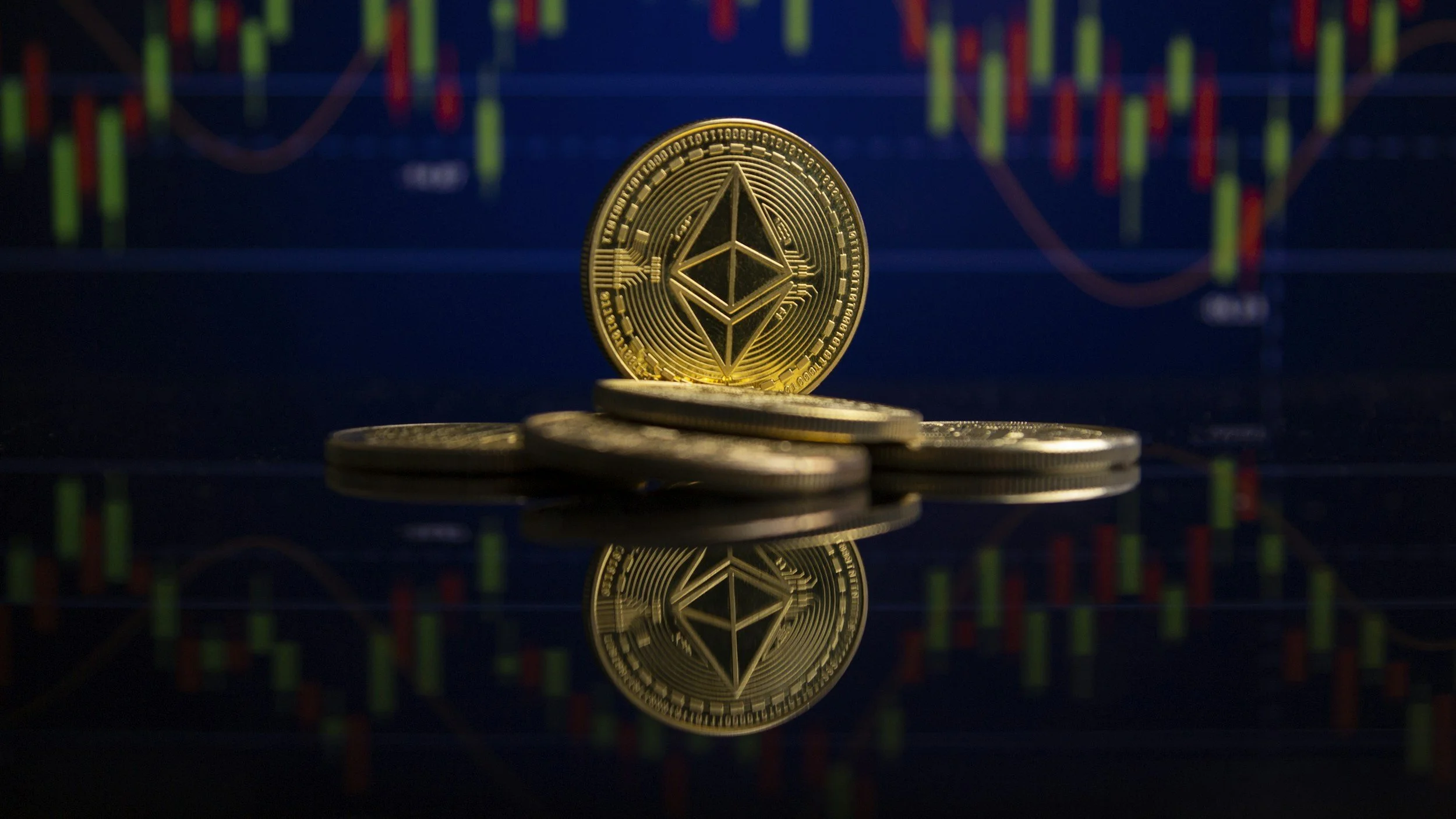
Crypto markets, too, continue to mature unevenly. Large institutional allocations now sit alongside very public failures. This is less about belief and more about integration. Once fringe assets are being absorbed into broader balance-sheet thinking.
Culturally, this tension feels familiar. We are living in an age of visible wealth and private anxiety. Luxury still thrives, but it has become more thoughtful. Experience matters more than excess. Longevity more than immediacy.
What This Means for Women Who Hold Capital
This moment calls for a particular kind of engagement with wealth.
The next decade will be shaped less by singular bets and more by how intelligently assets are structured, how clearly risk is understood, and how often assumptions are revisited. Discount rates, demographics, geopolitics and resource constraints all feed into decisions that affect property, business interests, family planning and legacy.
Altus approaches this environment with restraint and rigour. Less noise, more signal. Less prediction, more preparation.
Wealth, when understood, becomes less about control and more about choice.